A diet that can prevent uremia, kidney likes it best, and many doctors recommend it.
Original Shenshangxian nutritionist Shenshangxian
Rational drug use, good living habits and positive and optimistic psychology are the magic weapons for kidney friends to avoid uremia.
Today, let’s talk about one of the good living habits-the diet mode to prevent uremia!
Dietary pattern, not a single food, can be simply understood as:
In the long-term eating habits, the number and proportion of various foods in the diet.
In other words, a healthy eating pattern doesn’t mean that you don’t eat any food that hurts your body and kidneys. People who adhere to these eating habits sometimes have a cup of fun and have a barbecue at a party … but the overall proportion of unhealthy foods is low, and the proportion of healthy foods is replaced by more.
Come and see if what you usually eat is the closest to a healthy eating pattern to prevent uremia!

1.
mediterranean diet
Ignore its exotic name, in fact, many of us have similar daily eating habits with it, and friends who eat like this are great!
Mediterranean diet mode is not only good for kidney, balanced in nutrient intake, suitable for most kidney friends, but also can help prevent hypertension, diabetes, cardiovascular diseases and other chronic diseases. It can be summed up in one sentence:
A diet pattern that is dominated by plants, but low in meat (including processed meat), sodium and refined sugar, and high in grain and fiber.
mediterranean diet
The overall eating method can be summarized as a pyramid model, as shown below. The higher you go, the less you eat this kind of food every day. The lower you go, the more you eat this kind of food.
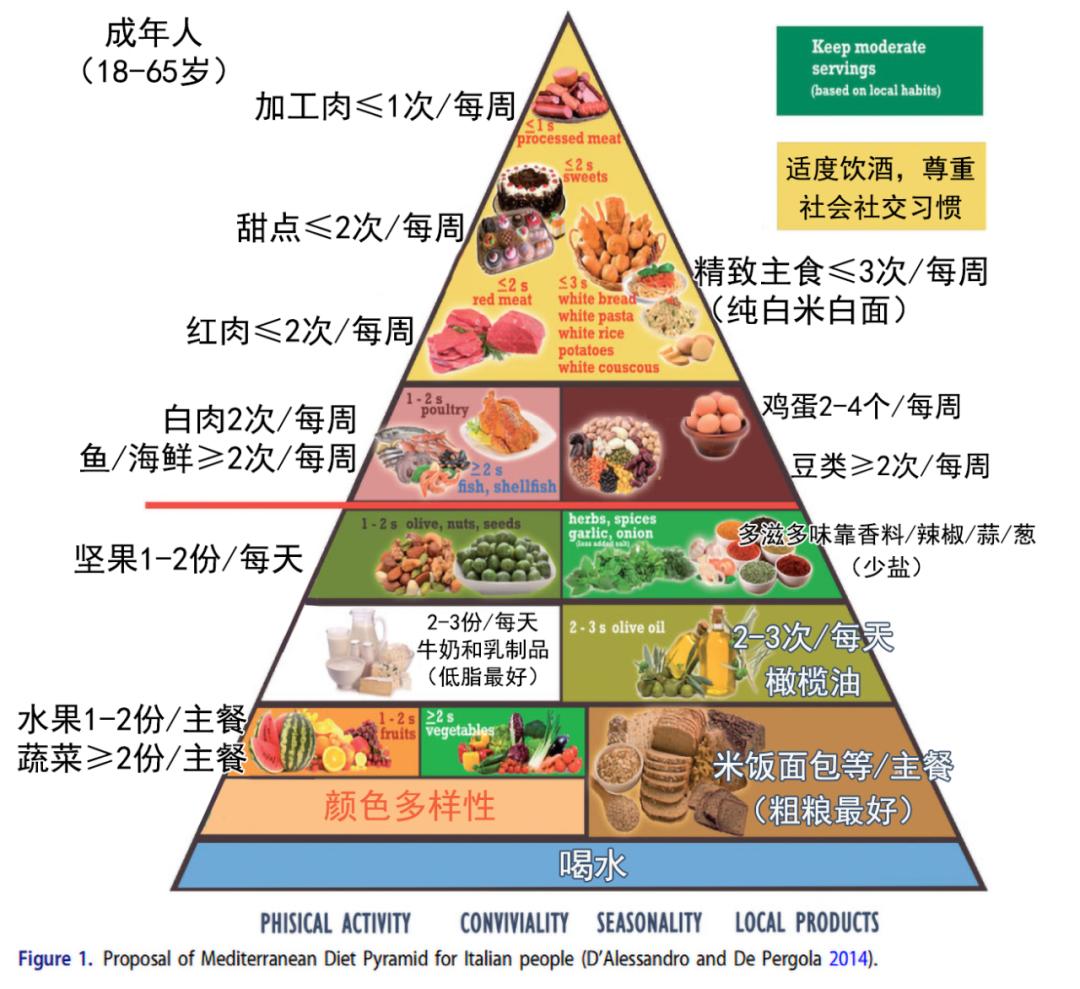
We analyze them one by one:
1. Plant food is the main food every day. Eat more vegetables and fruits, with proper amount of beans, nuts, whole grains and fresh seasonings.
2. The staple food includes a variety of coarse grains and whole grains.
3. Moderate meat, mainly poultry, fish or seafood, rich in omega-3 fatty acids.
4. Drink dairy products in moderation and eat eggs.
5. Red meat (pigs, cattle, sheep and other livestock meat) is eaten less, and there is little processed meat.
6. Dessert is eaten occasionally, but more often, the dessert after dinner is fresh fruit.
7. Eat nuts often
8. Use fresh seasonings, such as various spices, peppers, garlic, onions and other natural seasonings, instead of a lot of salt. Oil, mainly used are olive oil, peanut oil, rapeseed oil and other vegetable oils.
9. The cooking method is simple, boiling, steaming, frying or roasting for a short time, and frying less.
10. About drinking, drink more white water and tea every day.
Advantages and disadvantages of Mediterranean diet:
Advantages:
1. At present, KDOQI, the most valuable nutritional guide for kidney disease, has been recommended as a dietary pattern for kidney friends.
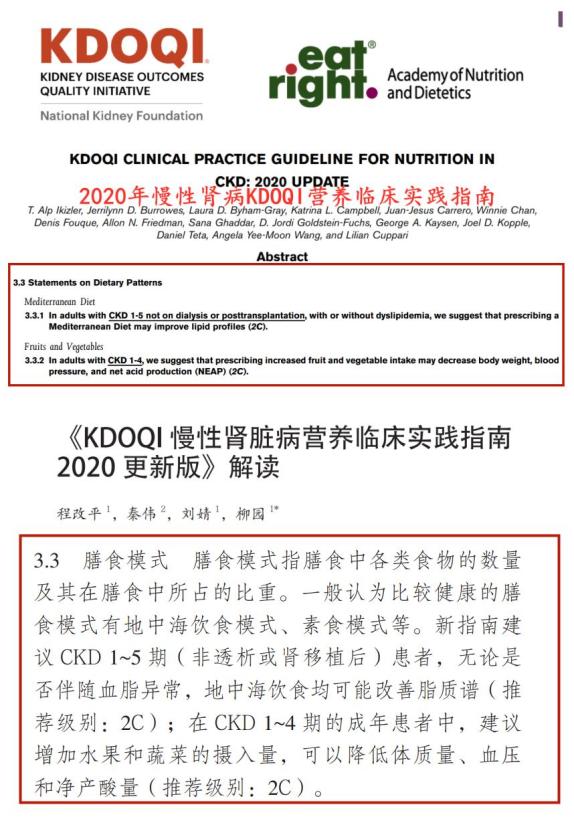
2. It is an internationally recognized healthy eating method. In clinical trials, it has been proved that it can reduce the risk of cardiovascular diseases and improve oxidative stress, inflammation and insulin resistance [2].
3. At present, relevant research shows that adhering to the Mediterranean diet can help reduce the risk of progression of renal failure in patients with chronic kidney disease and delay the deterioration of kidney disease.
4. Mediterranean diet is more in line with Chinese’s concept of healthy eating, easy to adhere to, and without the guidance of nutritionists, long-term adherence is beneficial to health
……
After introducing the Mediterranean diet, let’s analyze other common eating habits, such as western diet, intermittent fasting, ketogenic diet and vegetarian diet.
2.
Western dietary pattern
Western diet is a common way for many office workers who have no time to eat well.
Have ham burrito in the morning, bread with bacon, fried dough sticks and oil cakes, Chinese hamburger, fried chicken, fried skewers, pizza and hamburger at noon, barbecue and instant noodles at night, and a cake in afternoon tea with milk tea and ice cream. …
Most of the three meals a day are fried, high in sugar, high in salt and other unhealthy foods, so you belong to the western diet mode, and it is highly recommended for kidney friends to eat like this!
What is the western diet model?
The diet is rich in animal foods, processed foods, and unhealthy foods with high sugar, high salt and high fat such as fried foods, desserts and drinks.
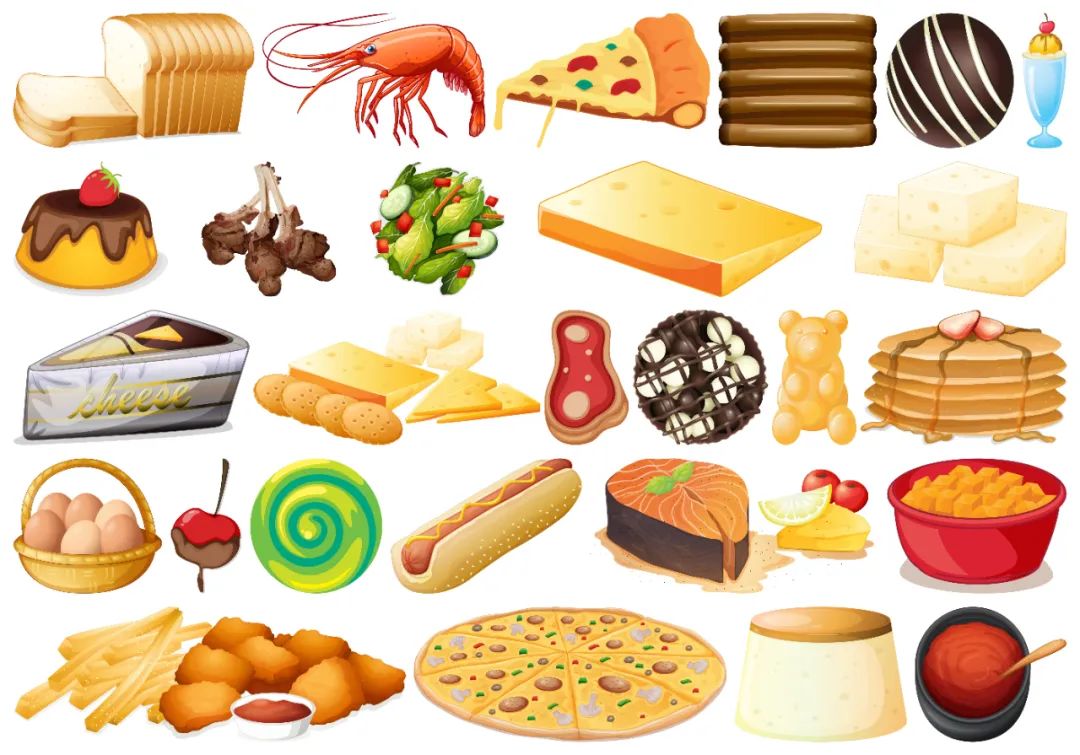
-Disadvantages:
Western dietary patterns are rich in animal foods, such as red meat and processed meat, and the intake of added sugar and sweeteners exceeds the standard. For a long time, this dietary pattern is not conducive to kidney health, and will increase the risk of obesity, hypertension, diabetes, hyperuricemia/gout and cardiovascular diseases.
3.
Vegetarian diet mode
Let’s talk about the vegetarian diet mode that many kidney friends like to try.
The following are two typical vegetarian diets:
1. vegan (vegan): vegan diet, also known as "strict vegetarian diet", means that there are only plant-based foods in the diet, and there are no animal-related foods, such as eggs, dairy products and even honey.

2. Egg milk vegetarian diet: also known as "non-strict vegetarian diet", refers to a vegetarian diet that will include milk and egg products, as well as plant foods.

-Advantages:
1. According to related research, vegan diet and egg milk vegetarian diet may reduce the risk of chronic kidney disease [1].
2. The dietary pattern is rich in dietary fiber, carotenoids and other phytochemicals, which is helpful to protect the heart, resist oxidation and reduce blood fat.
-Disadvantages:
1. The unbalanced nutrition intake in the diet easily leads to nutrient deficiency, such as protein, vitamin B12 and n-3 unsaturated fatty acid deficiency, which leads to emaciation, poor activity endurance, easy infection and anemia, and hinders the recovery of kidney disease. This is the biggest shortcoming.
2. Trying vegetarian diet independently may cause anorexia and negative psychological effects.
3. Infants, children, pregnant women, the physically weak and the elderly are not suitable for choosing a vegetarian diet, especially a vegan diet.
4. The overall dietary pattern is relatively high in potassium content. Kidney friends in CKD4-5 need to limit potassium, so we must pay attention to the potassium content in food.
The following applet can search the potassium content in food.
To sum up, although vegetarian diet has certain advantages, its disadvantages are also very obvious. Improper operation is extremely prone to malnutrition, which will cause great damage to kidney friends.
Therefore, if you want to take a vegetarian diet, it is not suitable for you to try it yourself, please do it under the guidance of a nutritionist.
4.
Ketogenic and low-carbon diet
Let’s talk about the popular low-carbon, ketogenic diet.
To put it simply, ketogenic diet is a protein diet mode with high fat, low carbohydrate and moderate amount. If kidney friends basically only eat meat in their daily life, but eat little staple food and vegetables, then there is some shadow of ketogenic diet.
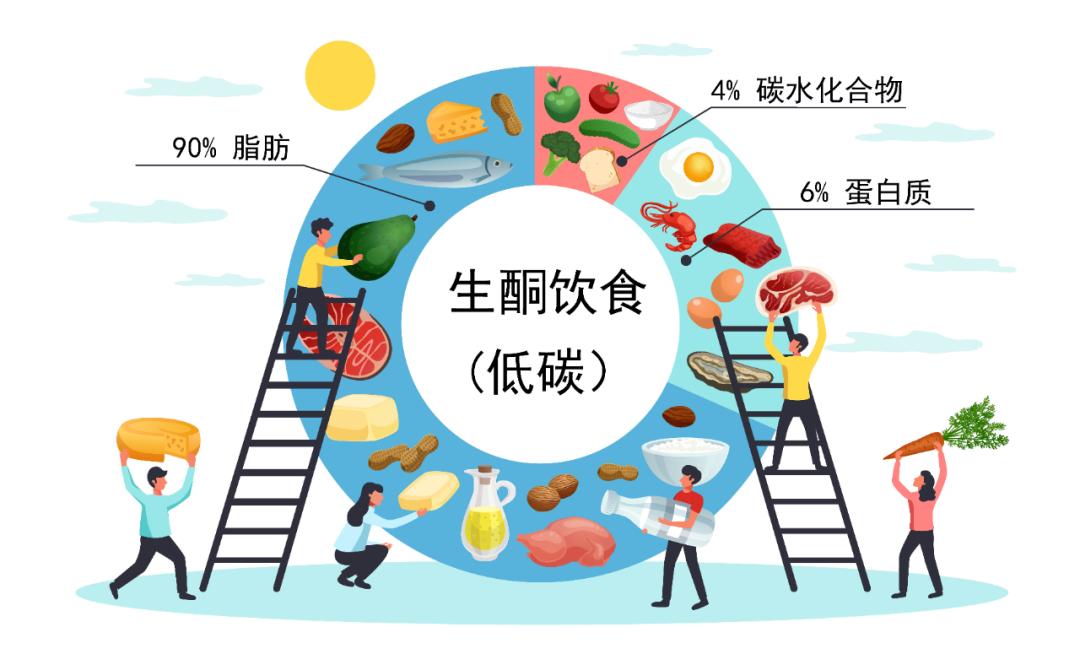
Advantages and disadvantages of ketogenic diet:
-Advantages:
1. The short-term weight loss effect is remarkable;
2. Ketogenic diet may be beneficial to patients with polycystic kidney disease, which has been proved to reduce the growth of cysts in related animal experiments. : –
-Disadvantages:
1. Long-term weight loss effect is not good, and may produce some side effects, such as constipation, headache, dry mouth and so on.
2. Long-term ketogenic diet may have adverse effects on health:
(1) The proportion of fat in ketogenic diet is too high. At present, observational studies show that excessive intake of saturated fat and animal fat is related to the increase of proteinuria. In addition, long-term intake of too much fat may lead to dyslipidemia and hyperlipidemia, which is not conducive to cardiovascular health.
(2) The implementation of ketogenic diet may lead to an increase in net acid load and increase the risk of metabolic acidosis and kidney calculi [2] (these adverse consequences have been reported in children with epilepsy treated by ketogenic diet).
(3) The nutrition intake from the diet is very unbalanced, which is easy to cause nutrient deficiency, such as insufficient dietary fiber intake, which causes constipation.
3. The low-carbon, ketogenic diet does not conform to the Chinese people’s eating habits and is not easy to adhere to.
Therefore, ketogenic diet is also very unsuitable for kidney friends to try on their own.
5.
Intermittent fasting diet pattern
Finally, let’s talk about intermittent fasting.
What is intermittent fasting?
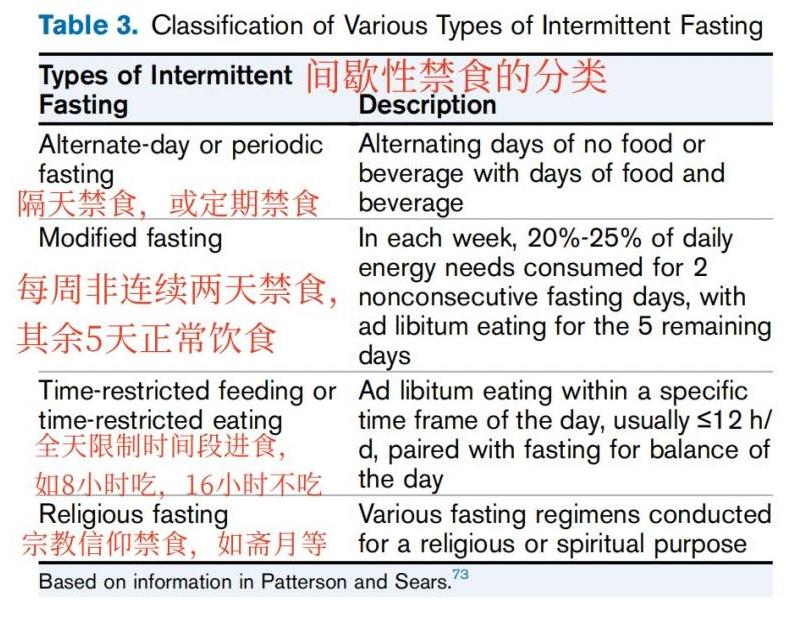
The simple understanding of intermittent fasting is that there is a clear "eating" time and "fasting" time. During the eating time, you can choose any food you like without counting carbohydrates and calories. However, during the "fasting" period, it is necessary to control the calorie intake.
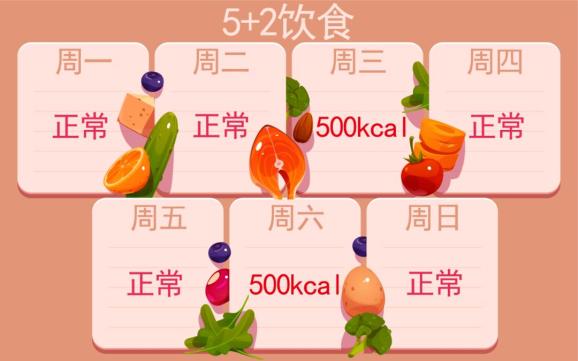
At present, the types and schedules of intermittent fasting are different, including fasting on any two days a week; There are fasting modes such as 16+8 fasting every day.
At present, the most popular in the field of weight loss is the intermittent fasting mode of 16+8, which means: eating normally within 8 hours and not eating any food except drinking water for 16 hours (for example, eating only between 12 noon and 8 pm, and drinking only water at other times). "16+8 diet" is a kind of intermittent fasting.
16+8 diet pattern▽

5+2 diet pattern φ
Advantages and disadvantages of intermittent fasting:
-Advantages:
1. It can help reduce energy intake, and the weight loss effect is remarkable;
2. If you choose a fasting time that suits you, it is easy to persist for a long time;
3. With the guidance of a nutritionist, it can help improve diabetes under safe conditions.
4. Related research shows that moderate fasting is good for health.
……
-Disadvantages
1. Some people are not suitable for: (1) pregnant women, children and patients with hypoglycemia and type 1 diabetes; Because patients with type 1 diabetes take insulin, they need to eat regularly to ensure stable blood sugar.
(2) It is not suitable for those who are thin.
(3) There are basic diseases such as gout and heart disease, which cannot be carried out independently.
2. Because the calories will not be strictly restricted during the period of eating at will, it may be too casual, which will lead to excessive calories throughout the day.
Intermittent fasting is not recommended for kidney friends to try it themselves. Under the guidance of a professional dietitian, you can choose the appropriate fasting time according to your own situation to help lose weight and improve blood sugar problems.
References:
1.Liu HW, Tsai WH, Liu JS, Kuo KL. Association of Vegetarian Diet with Chronic Kidney Disease. Nutrients. 2019 Jan 27; 11(2):279. doi: 10.3390/nu11020279. PMID: 30691237; PMCID: PMC6412429.
2.Joshi S, Kalantar-Zadeh K, Chauveau P, et al. Risks and Benefits of Different Dietary Patterns in CKD. Am J Kidney Dis. 2023 Jan 20:S0272-6386(22)00923-4.
3. Dietary Guidelines for China Residents (2022)
4.https://health.usnews.com/best-diet
5.Gluba-Brzózka A, Franczyk B, Rysz J. Vegetarian Diet in Chronic Kidney Disease-A Friend or Foe. Nutrients. 2017 Apr 10; 9(4):374. doi: 10.3390/nu9040374. PMID: 28394274; PMCID: PMC5409713.
Read the original text