"Assassination" and the award-winning of girls’ photos are controversial, and scholars say that despite the convention, Holland is still trying to break through.
Stuart Franklin, the chairman of the jury in Holland, published an article in the British newspaper The Guardian shortly after the award results were announced, in which he vehemently opposed the selection of Assassination in Turkey as the "Picture of the Year", explaining why he voted against it, saying that his selection would boost the extra exposure of the information conveyed by terrorists, which triggered a discussion on professionalism and morality. In addition, China photographer’s award-winning photo is about gymnastics girl’s "Sweat Makes Chinese Dream", which is the seventh time that China won the prize for gymnastics theme. Has this become the stereotype of China sports in western media?
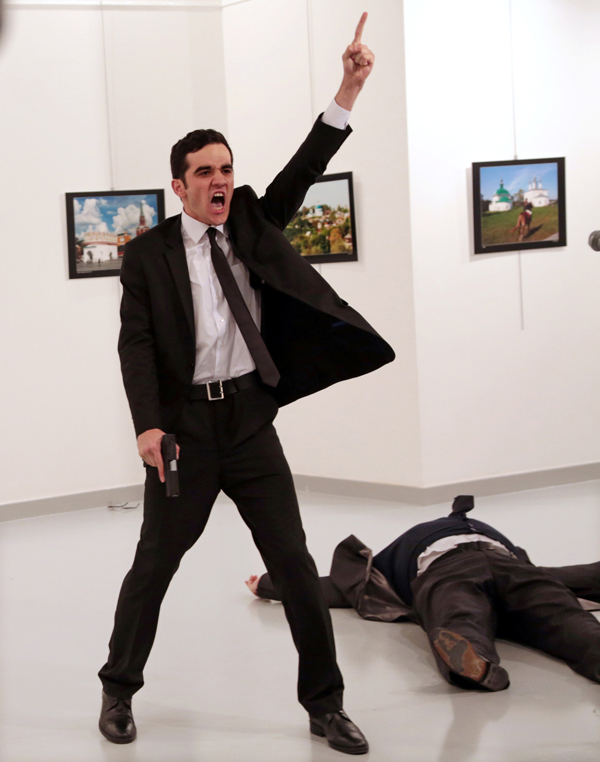
"Burhan Ozbilici" (Associated Press) won the annual photo award of the Holland Prize.
On February 13th, 2017, local time, the 60th World Photojournalism Competition (Holland) was announced in Amsterdam, the Netherlands. The annual photo award was won by the Associated Press reporter Burhan Ozbilici’s "Turkish Assassination", and China photographer Wang Tiejun won the second prize in the daily life category. A total of 5034 photographers and 80408 works from 125 countries participated in the selection. In recent years, about one-tenth of China photographers participated in the selection of the Lotus Award, and news of China photographers’ award-winning came frequently. Since its birth 60 years ago, the Jose Award has promoted the development of news reporting photography. In recent years, it has also set up new projects such as "long-term project" and "short video" with the times. The Paper Art Review specially interviewed Gu Zheng, a professor at Fudan University’s School of Journalism, a photography critic and a former judge of the Lotus Award, to discuss and analyze the above issues.
The annual picture of "Assassination in Turkey" is controversial.
On December 19th, 2016, in Ankara, Turkey, Russian Ambassador to Turkey Karlov attended the opening ceremony of an art exhibition, which unexpectedly turned into a murder. The ambassador was shot to death while making a speech. The gunman shouted a series of slogans after shooting at Karlov.
With the news of the incident, the photos of the scene taken by Associated Press reporter Burhan Ozbilici spread all over the network. The reporter happened to be there for accidental reasons. He picked up the camera he carried with him, bravely completed his work in a crisis, and photographed the whole process of the whole incident. The image full of dramatic tension has also become a hot topic. The related photos were selected as "Best Pictures of the Year" at the Lotus Award two months later.
However, three hours after the award ceremony, Stuart Franklin, the chairman of the jury, commented in The Guardian that he voted against this annual picture.
"As one of the judges of the Lotus Award, in my opinion, the photographer Zbiljic’s composure, courage and extraordinary skills in taking this annual photo of the Lotus Award are worthy of recognition … but I strongly object to choosing it as the annual photo." In the article, Stuart Franklin explained, "This photo is about killing, and both the perpetrator and the victim are vividly displayed in the photo. From the perspective of human nature and morality, the controversy in publishing photos is almost equal to the degree of controversy when exposing photos of terrorists beheading and killing abductees … I am worried that the assassination photos won the top photography award, which will lead to additional media exposure, and the information conveyed by terrorists in the photos will be amplified with the spread of photos. "
In an interview with The Paper, Gu Zheng said that the differences of opinions of the jury may come from two different opinions on news reporting photography. "From a professional point of view, it is the basic principle to think that everything you see must be shot and that it meets the professional requirements, while the chairman’s view is to jump out of the professional requirements. From the perspective that news may have an impact again after selection, he has his reasons. These two opinions reflect the difficulty of news work, how to keep history blank and reduce the possible’ bad’ influence of the incident in the next process. Of course, this is something that the whole chain should consider. As a reporter, taking pictures is the first. "
"I may be shot or injured, but the Russian ambassador is dead. This is a big news. As a reporter, it is my duty to continue filming on the spot. Even if I am killed, there are still photos left. " Burhan Ozbilici, the photographer and Associated Press reporter of this news photo, showed the significance of this news photo. "In an era when the media will be manipulated artificially and the quality of news is ignored, I have adhered to the long-standing tradition of excellent and independent news reports and excellent news photos."
Prejudice and routine are inevitable, and the depth is not enough for visual effect.
It is reported that in recent years, the number of China photographers who have participated in the awards has accounted for about one tenth of the total number, and news of winning awards has been heard repeatedly. This year, China photographer Wang Tiejun’s Sweat Made Chinese Dream won the second prize in the category of daily life, and his shooting target is girls practicing gymnastics. This is the 11th time that China has won the Lotus Award for sports, among which gymnastics has occupied 7 seats. In this regard, some media believe that the western media have formed an inherent "stereotype" on China athletes in the context, and the images of their hard training have also become a "weapon" to demonize China sports.
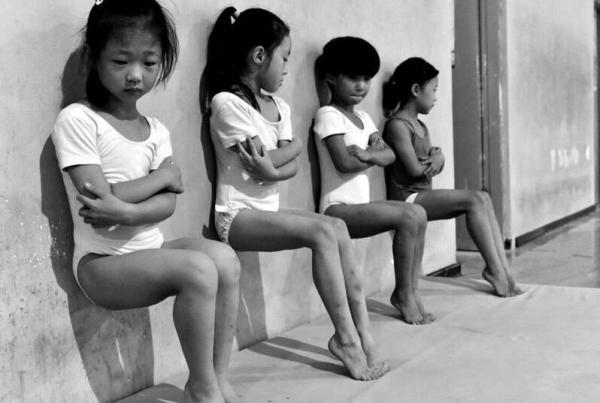
Sweat Casting Chinese Dream (Wang Tiejun) won the second prize in the daily life category of the Lotus Award.
In addition, among this year’s award-winning works, American photographer Ami Vitale’s work "The Giant Panda Released to the Wild" was selected as the second prize of the nature group photo. Photographer Chen Ronghui, who won the Lotus Award in 2015, also suggested that foreigners often win the Lotus Award for shooting China giant pandas, and the selection of the Lotus Award itself will inevitably be biased and routine. "But you actually recognize their rules of the game by entering the competition."
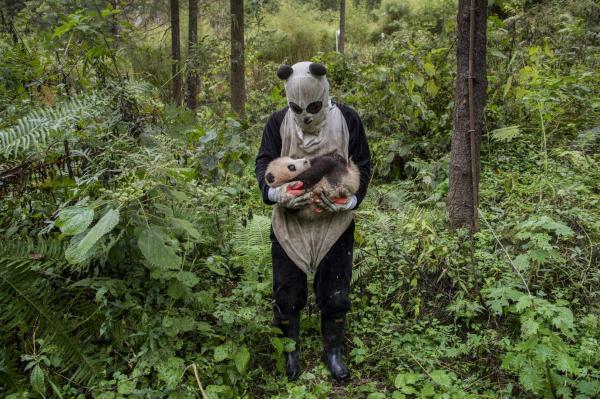
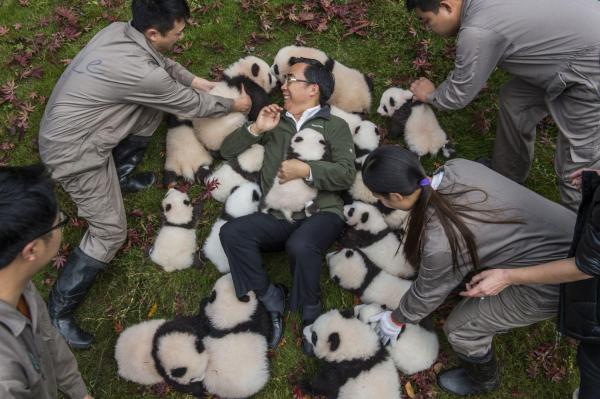
Ami Vitale won the second prize of the natural group photo of the Lotus Award.
In this regard, he was a well-known photography critic who was a judge of the Lotus Award.Professor, Fudan UniversityIn the dialogue with The Paper Art Review, Gu Zheng thought that the selection of the Lotus Award had its own professional standards, and some people thought that it was understandable that there were routines: "But we can find that Lotus also tried to break it. Including the different candidates for each jury, it has prevented the concept of solidification to a certain extent. "
At the same time, Gu Zheng also told The Paper Art Review that sports works may have a great chance of winning prizes, because "the contributors are much less than those in journalism, but they also win more prizes". However, he also raised a little doubt. "I did find that even the winning works are not deep enough for visual effects." I am afraid this is not just a unique situation for photographers in China. "
"Short video" is hard for photographers.
The World Press Photo Competition (WPP) is sponsored by the World Press Photo Foundation headquartered in the Netherlands. The foundation was founded in 1955, because it was initiated in the Netherlands, so it was called Jose. Jose is considered as the most authoritative event in the international professional photojournalism competition. Since the first world photojournalism competition was held in 1957, it has been held for 60 times by 2017.
Gu Zheng said that the selection of Holland has made a great contribution to establishing a sound industry and professional standard, which has also promoted the development of news reporting photography.
At the same time, Jose is constantly changing and developing with the times, such as the newly established "long-term project" and the newly established Jose Multimedia Award (renamed Digital Narrative Award this year), including the selection of short videos and other projects.

"How China Changed the Internet" won the third prize in the short film category of the Jose Digital Narrative Award.
"I appreciate the new’ long-term project’, which is a change and development. It is a change that is considered when I realize that even if the group photo is still unfinished. " Gu Wei said.
The digital narrative award offered by the Jose Award is also a response to the surging media changes in recent years, but in Gu Zheng’s view, its development needs time to test.
"The establishment of video short films is also a change, but it is hard for photojournalists. He often takes a photo before taking a video, but the best may be in the photo. Documentaries that need more time are not in this range. It is hard to imagine that such a short film should have good things. " Gu Zheng explained, "I mean news (short videos), including narrative structure and techniques. It is a great challenge to do well and deeply."
The award items of the Jose Award include annual photos, contemporary hotspots, daily life, daily news, long-term projects, nature, portraits, focus news, sports, etc. The award items of the Jose Digital Narrative Award include immersive reports, innovative reports, feature films and short films, etc.
The winning photos will be assembled and toured in 45 countries around the world, with an estimated audience of 4 million. The first exhibition will be held in Amsterdam’s new church on April 14th.
Other award-winning works:
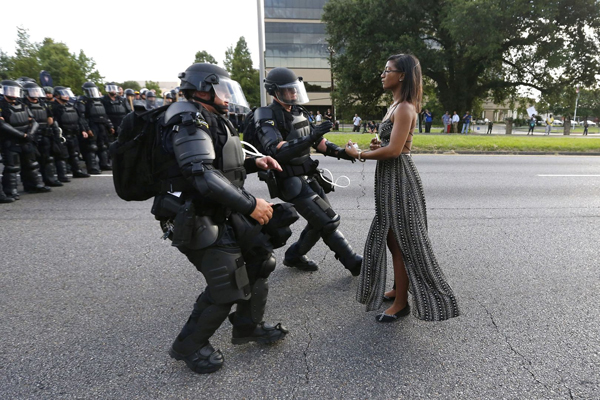
Jonathan bachman, First Prize of Contemporary Hotspot Single Picture "baton rouge Confrontation"
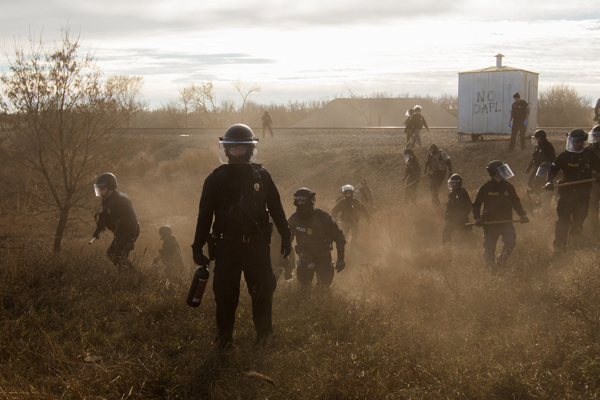
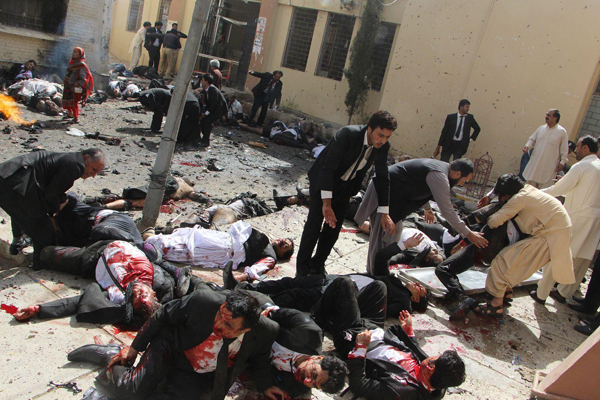
Jamal Taraqai, the first prize of the focus news category "Palestinian Bomb Explosion"
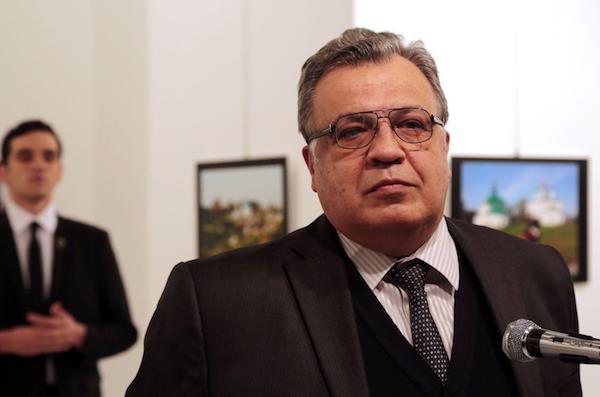
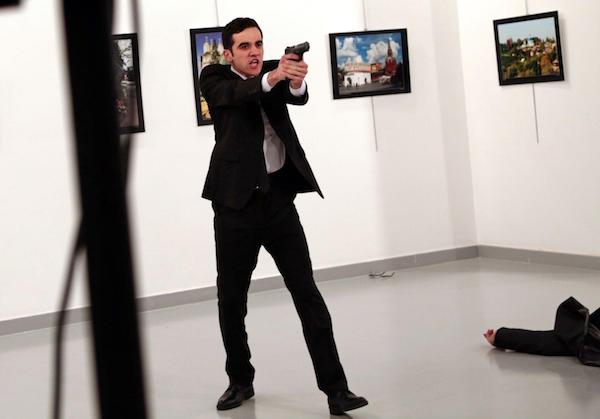
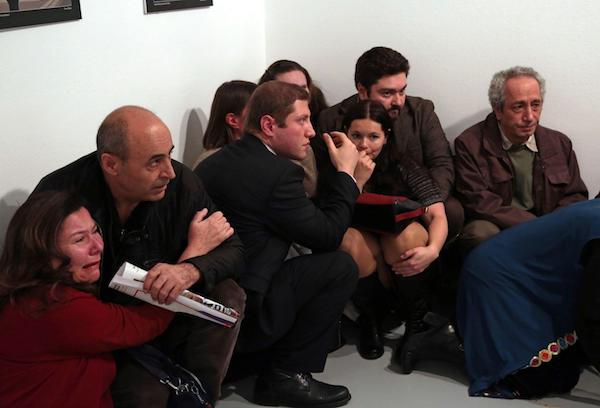
Burhan Ozbilici, the first prize of the focus news group photo "Assassination in Turkey"
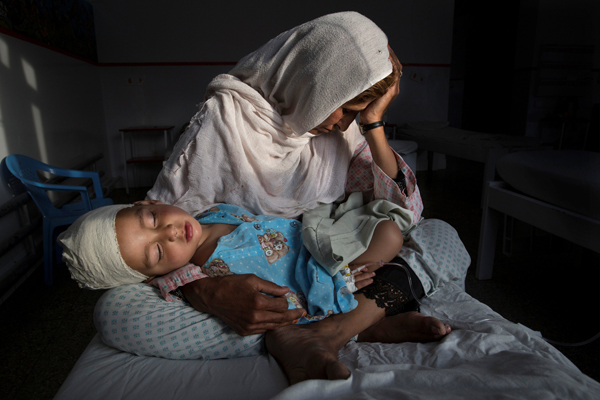
Paula Bronstein, the first prize in the daily life category, "Silent Victims of Forgotten Wars"
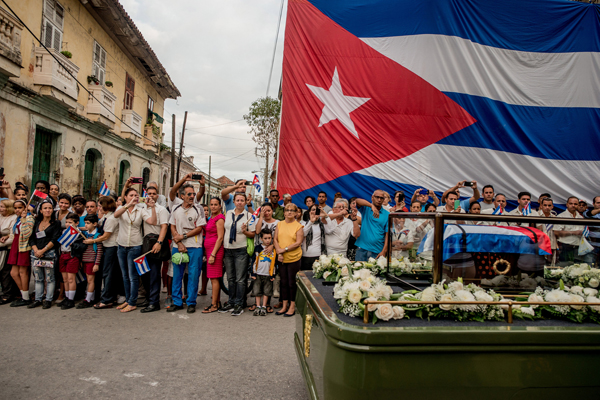
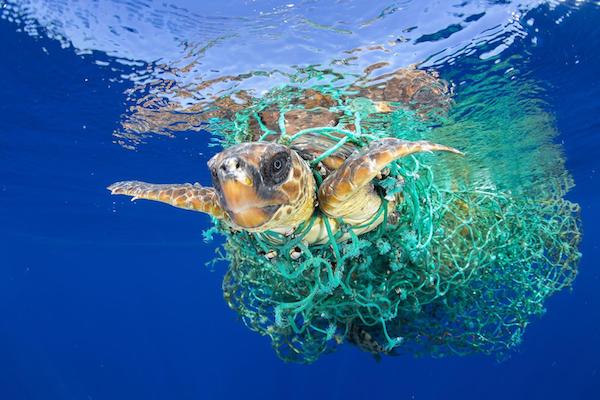
Francis Perez, First Prize of Nature Single Picture "Turtles Trapped in Fishing Nets"
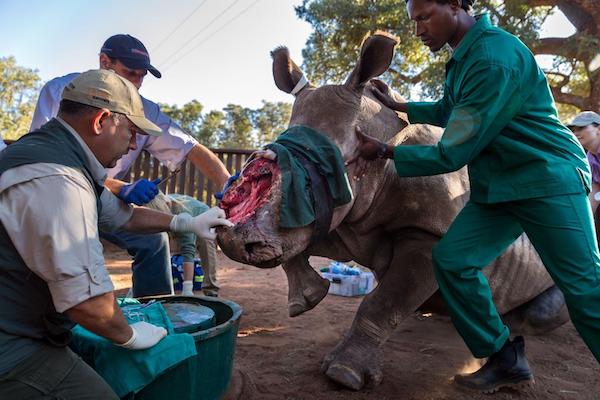
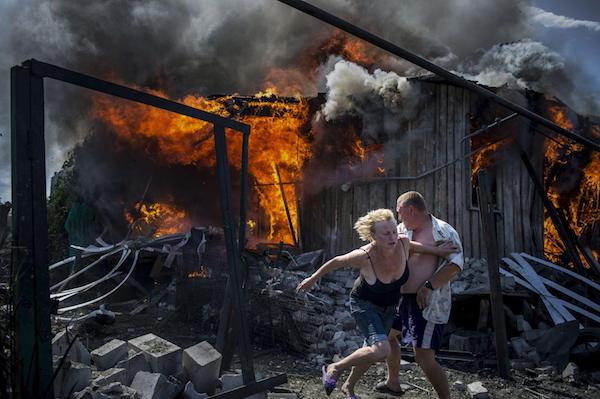
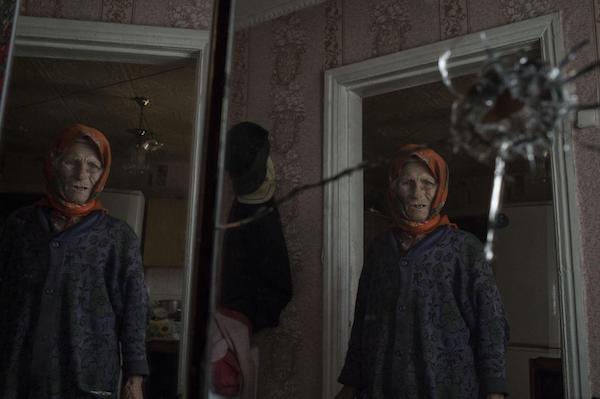
Valery Melnikov, First Prize of Long-term Project "Dark Days in Ukraine"
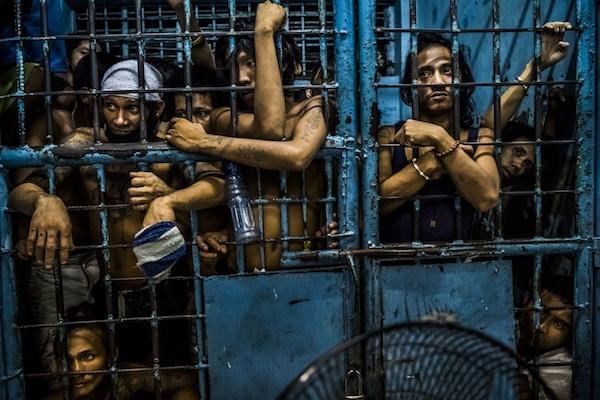
The daily news group took the first prize "We were slaughtered like animals" Daniel Berehulak.
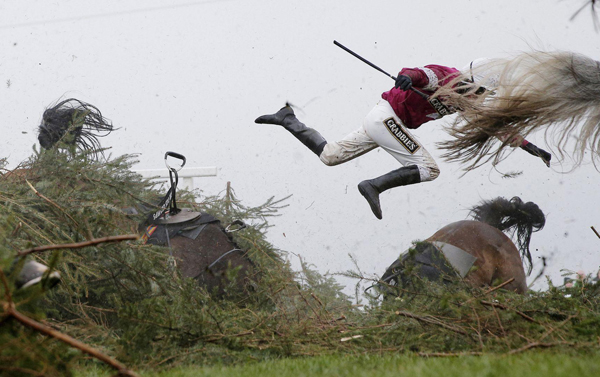
Tom Jenkins, the first prize of sports single "Cross-country steeplechase"
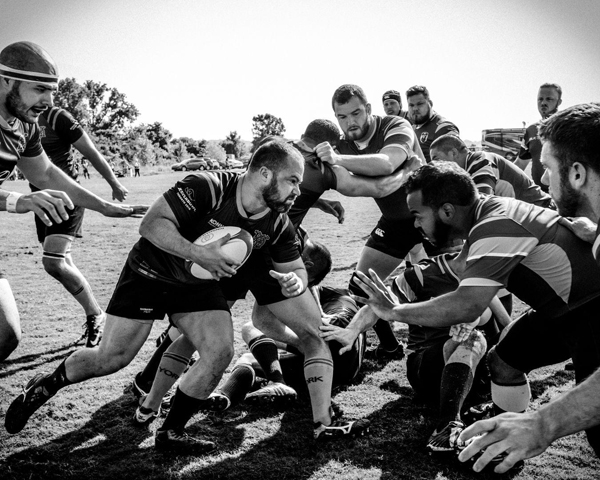
Magnus Wennman, the first prize of the portrait category "What ISIS left behind"
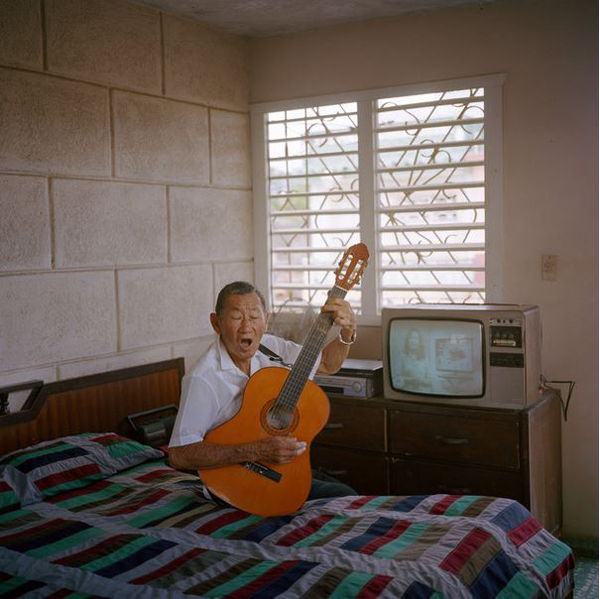
Portrait group photo first prize "Hannikun" Michael Vince Kim