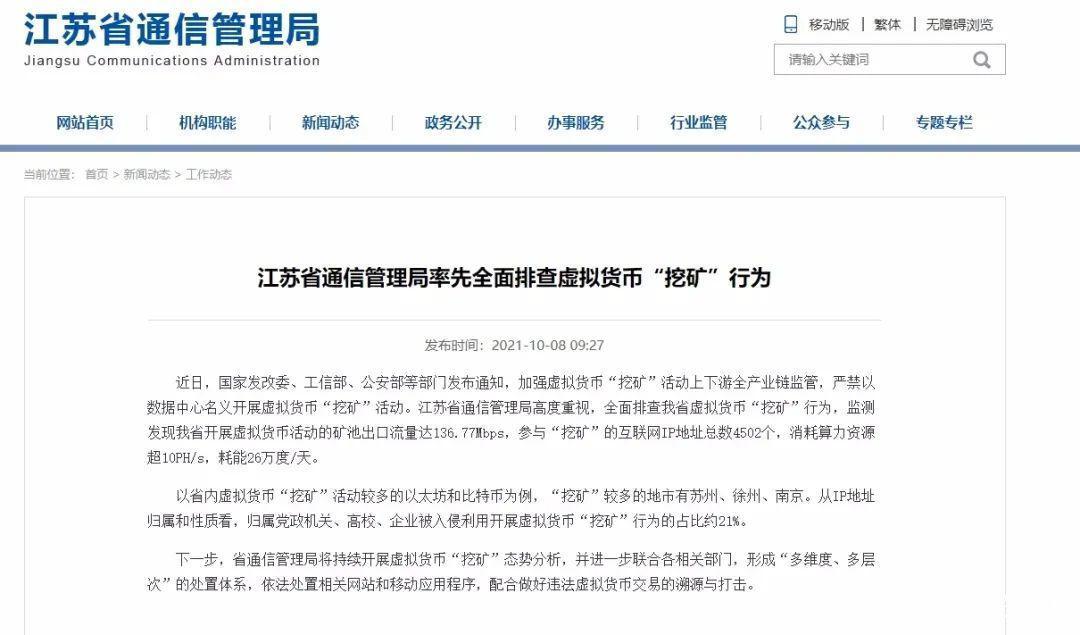
According to the website of Jiangsu Communications Administration, the bureau recently conducted a comprehensive investigation of Jiangsu Province.Virtual currency "mining" behavior, monitoring found that the export flow of mining pools in Jiangsu Province to carry out virtual currency activities reached 136.77Mbps, and the total number of Internet IP addresses participating in "mining" was 4,502, which consumed computational power.The resource exceeds 10PH/s, and the energy consumption is 260,000 kwh/day.
Take Ethereum and Bitcoin, which have more virtual currency mining activities in the province, for example, Suzhou, Xuzhou and Nanjing have more mining activities. Judging from the attribution and nature of IP addresses, the proportion of those belonging to party and government organs, universities and enterprises who have been invaded and used virtual currency to "mine" is about 21%.
In the next step, Jiangsu Communications Administration will continue to analyze the situation of virtual currency "mining", and further unite with relevant departments to form a "multi-dimensional, multi-level" disposal system, dispose of relevant websites and mobile applications according to law, and cooperate with the traceability and crackdown of illegal virtual currency transactions.
How much electricity can virtual currency "mine" cost?
Virtual currency is encrypted digital currency, which consists of a series of passwords. "Mining" is decryption. Every other time point, the virtual currency system will generate a random code on the system node. Calculating this random code requires a lot of GPU operations, and decrypting this code and confirming the virtual currency transaction requires complex operations. Because its working principle is very similar to mining minerals, it is named "mining" and the prospector is also called a miner. Miners use computers to perform these operations and then get virtual currency rewards, which is the so-called mechanism of virtual currency mining.
Take Bitcoin as an example. The total amount of Bitcoin is limited. In the first four years, the total amount will generate 10,500,000BTC, and the output will be halved every four years. In the fourth to eighth years, it will generate 5,250,000 BTC, and in the eighth to twelfth years, it will only generate 2,625,000 BTC, and so on. In the end, the total amount of bitcoin generated is close to 21,000,000 BTC.
A bitcoin is divided into eight decimal places based on the data structure, that is, 0.00000001 BTC, and the smallest unit for miners to dig bitcoin is 0.00000001 BTC. Bitcoin is like a golden mountain with a total of 21 million gold coins. To get it, players need to use the computing power of computers to calculate a set of numbers according to the existing algorithms.
When the computer is turned on for 24 hours, only 0.0018 bitcoins can be dug up, which means it will take about 556 days to dig out a bitcoin. It is reported that at present, the computing power of Bitcoin has reached 3 million hash collisions per second, while the computing power of an ordinary computer is only 1000H/s even at the top. According to the calculation that 0.0018 bitcoins can be dug up in 24 hours, it takes users at least 556 days to dig up a bitcoin.
According to the mining machine’s power of 1350 watts, it uses about one degree of electricity per hour, and the daily electricity fee is about 16.8 yuan, but it takes 556 days to dig a bitcoin, which means it costs at least 9367 yuan to dig a bitcoin. And this is just an ideal state. "Mining" requires a huge computing system, which has to solve millions of complicated calculations every second to verify the transactions on the network. This requires a lot of electricity to maintain, cool and run the machine.
According to the statistics of Xinhua News Agency, some "mines" consume millions of kwh a day; A "mine" in a western province can "eat" 45 million kwh of electricity a month. The annual power consumption of a mine in southwest China is equivalent to the total power consumption of three cities in one year.
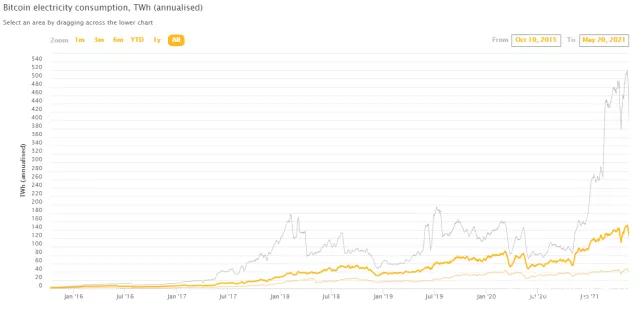
Research by the Alternative Finance Research Center of Cambridge University shows that by 2020, the annual power consumption of global bitcoin "mining" is about 149.37 TWh (1 TWh is 1 billion kWh), which has surpassed the power consumption of Malaysia, Ukraine and Sweden, and is close to Vietnam, which ranks 25th in power consumption. According to Cambridge Bitcoin Electricity Consumption Index, by the end of 2020, about 65% of the global bitcoin mining activities took place in China.
It was listed in the list of eliminated industries two years ago.
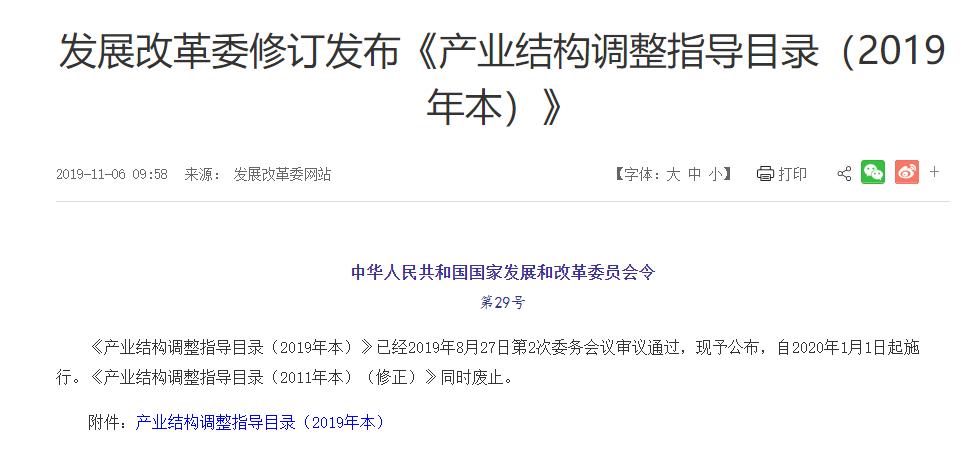
As early as 2019, the National Development and Reform Commission tried to include virtual currency mining in the list of eliminated industries. On April 8, 2019, in the Guiding Catalogue of Industrial Structure Adjustment (2019 edition, draft for comment), virtual currency "mining" activities were listed as obsolete industries, belonging to the category of "backward production technology and equipment", and mining activities were also listed as industries that should be "immediately eliminated". According to this catalogue, the elimination categories are mainly backward processes, technologies, equipment and products that do not meet the relevant laws and regulations, do not have safe production conditions, seriously waste resources and pollute the environment, and need to be eliminated. However, on November 6, 2019, the Chinese government website published the Guidance Catalogue for Industrial Structure Adjustment (2019 Edition). According to the contents of the document, the "virtual currency mining" that once ranked in the category of eliminated industries was deleted from the published guidance catalogue.
Although the National Development and Reform Commission removed the "virtual currency mining behavior" from the elimination list in 2019, it does not mean that the state affirms or encourages mining behavior.With the popularity of Bitcoin rising after 2020, the currency price is turbulent, and the crime of financial fund-raising fraud involving virtual currency emerges one after another in China, and the energy consumption further rises due to the difficulty of mining, which has seriously affected the power supply balance in some areas.
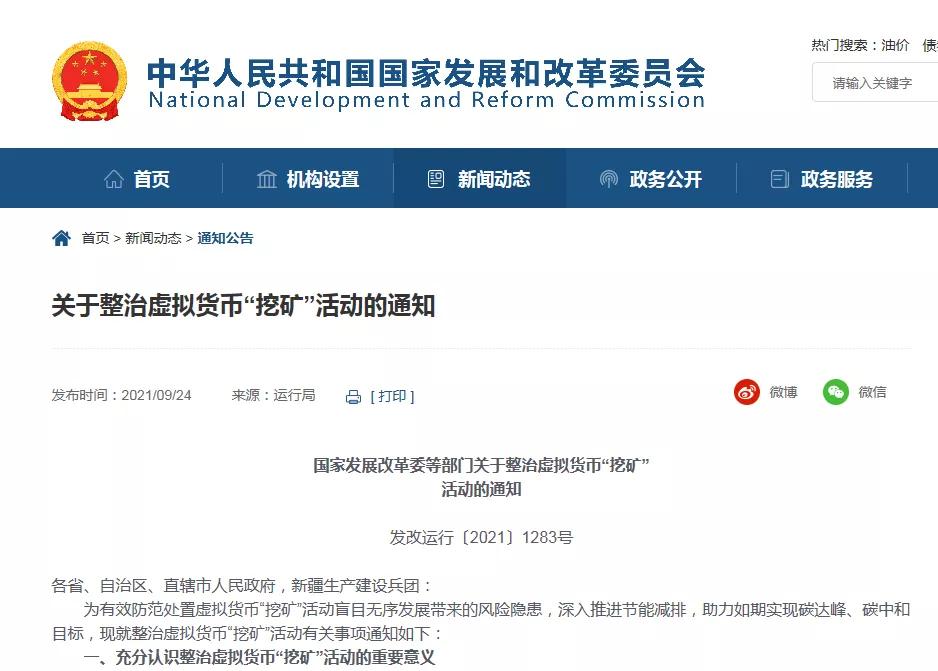
Recently, the state has made great efforts to rectify it. On September 24th, the National Development and Reform Commission, the Ministry of Public Security and other eleven departments issued the Notice on Regulating Virtual Currency Mining. The circular pointed out that the supervision of the whole industrial chain upstream and downstream of virtual currency "mining" activities should be strengthened, it is strictly forbidden to add new virtual currency "mining" projects, speed up the orderly withdrawal of existing projects, promote the optimization of industrial structure and help peak carbon dioxide emissions achieve the goal of carbon neutrality as scheduled. The notice emphasizes that "virtual currency mining activities" will be added to the "Industrial Structure Adjustment Guidance Catalogue (2019 edition)" and "elimination category". Before it is added, the virtual currency "mining" project will be treated as an eliminated industry, and investment will be prohibited in accordance with the relevant provisions of the Decision of the State Council on Promulgating and Implementing the Interim Provisions on Promoting Industrial Structure Adjustment (Guo Fa [2005] No.40).
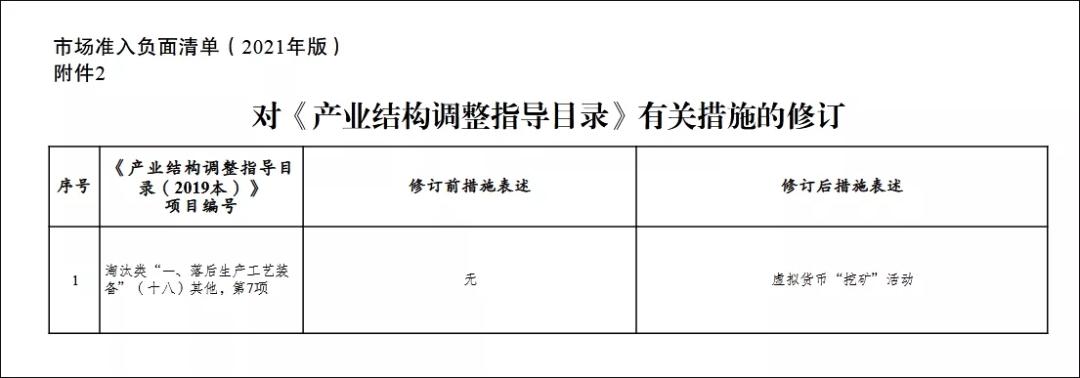
10On August 8, the National Development and Reform Commission also publicly solicited opinions on the Negative List of Market Access (2021 Edition), and re-listed virtual currency "mining" in the elimination catalogue.The Negative List of Market Access (2021 Edition) lists 6 prohibited access items and 111 permitted access items, totaling 117 items.Among them, in the revision of the relevant measures in the Guidance Catalogue for Industrial Structure Adjustment on the last page, item 7 of the category "1. Backward production technology and equipment" (18) was eliminated, and the expression of the revised measures was added:Virtual currency "mining" activities.
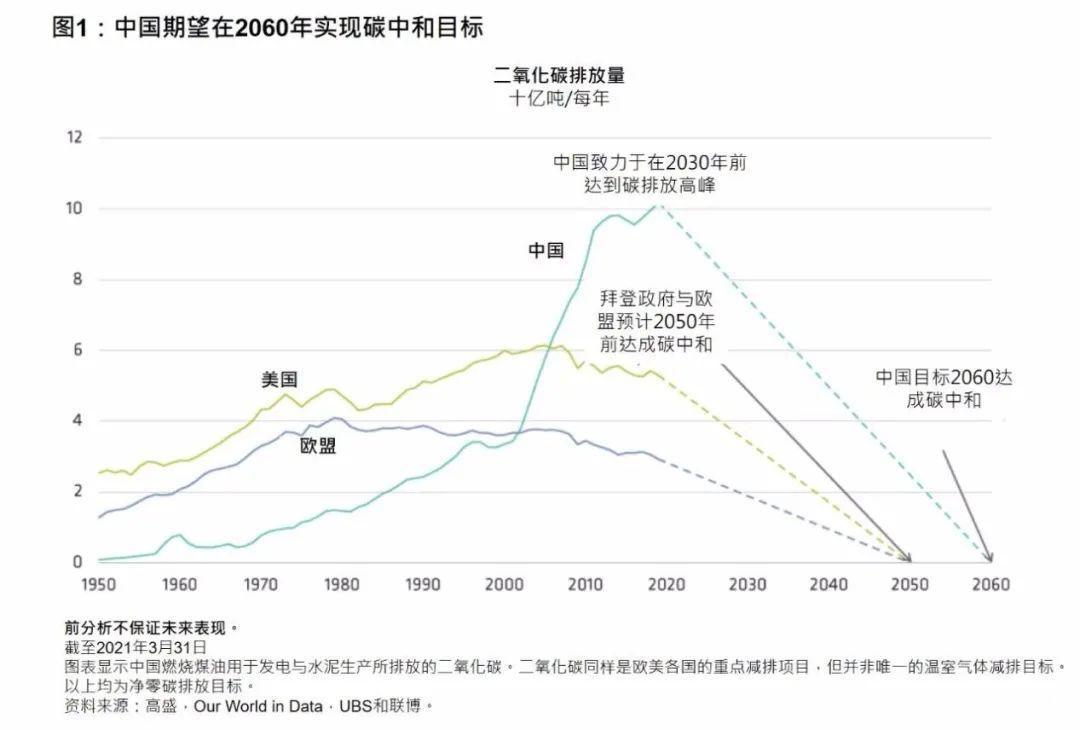
In September 2020, the Supreme Leader of president announced two major environmental policies in China at the United Nations General Assembly.First, China, as the second largest economy in the world, plans to reach the peak of carbon dioxide emissions in 2030.Second, China will achieve the goal of carbon neutrality (that is, zero net carbon emissions) by 2060.Virtual currency "mining" activities not only consume power resources, but also increase carbon emissions, which has a low contribution to the national economy, and has a limited driving effect on industrial development and scientific and technological progress. In addition, the risks derived from the production and trading of virtual currency are becoming more and more prominent. If it is allowed to develop blindly and disorderly, it will have adverse effects on promoting high-quality economic and social development and energy conservation and emission reduction.
Source: Phoenix Finance, china securities journal, National Development and Reform Commission.