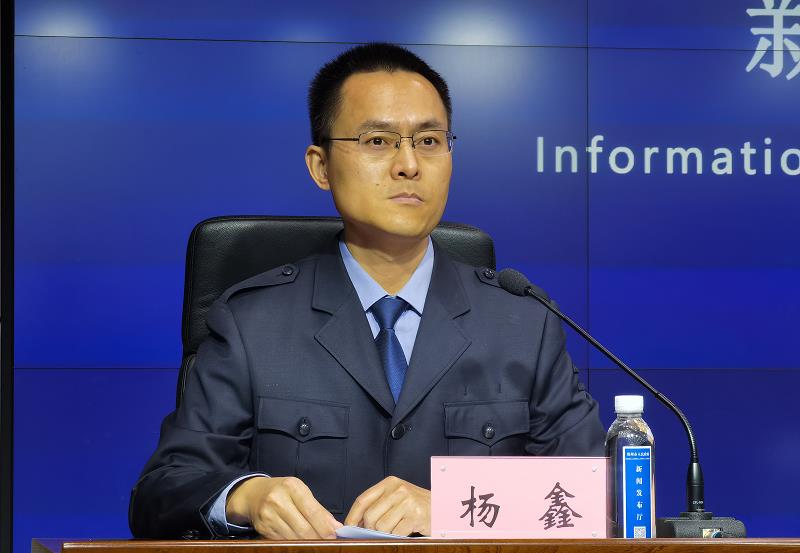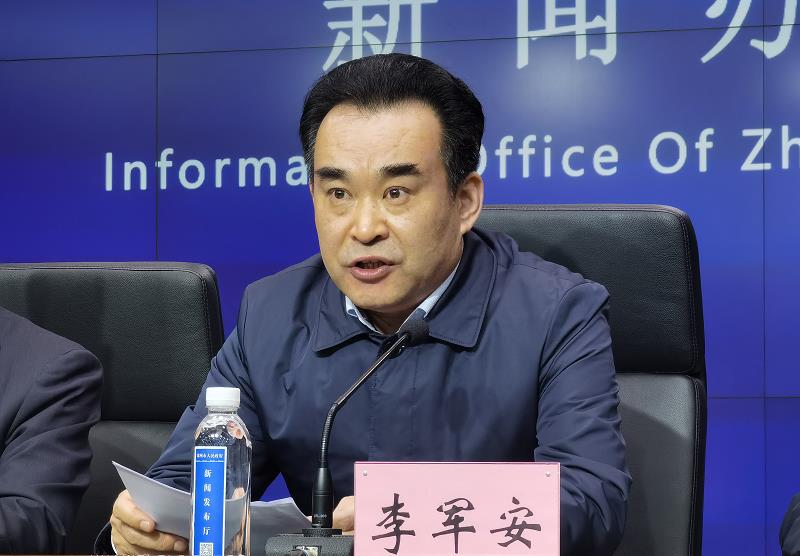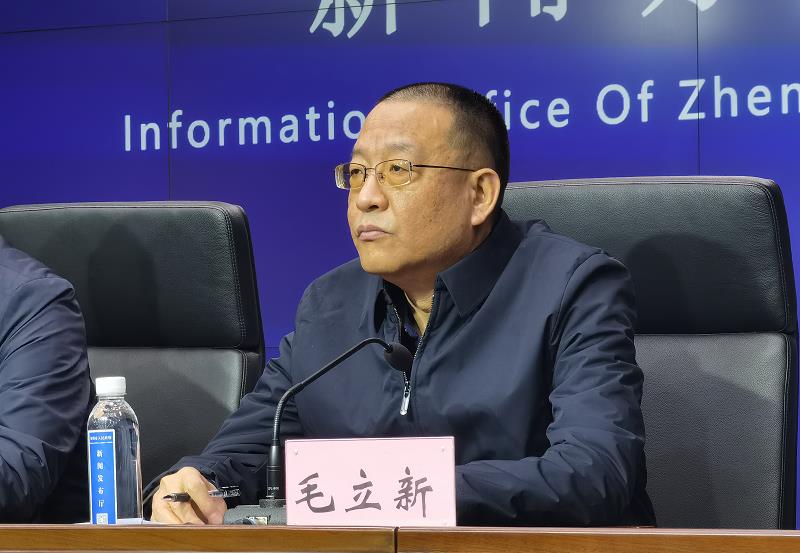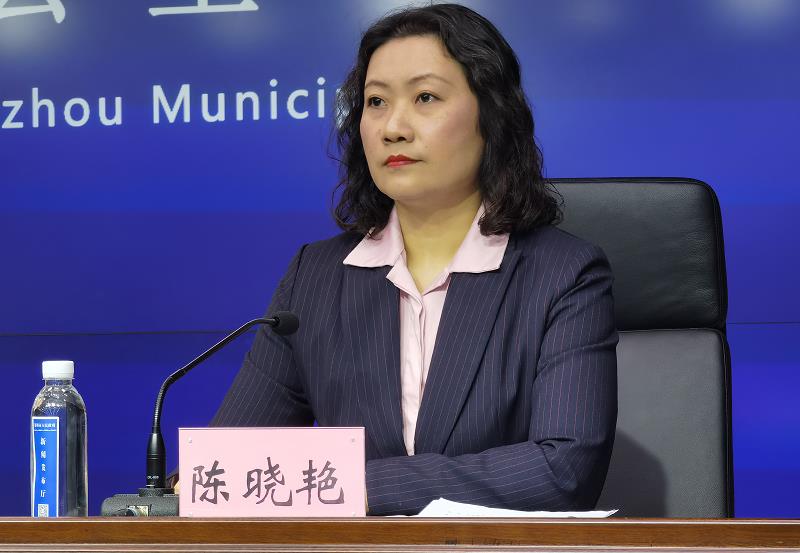
The 2-year-old girl was suspected of being poisoned by her relatives at the wedding banquet. Attending doctor: The recovery progress may be calculated on an annual basis.

Cctv news(Reporter Xu Yeqing and Dou Ruihua): On December 9, 2021, Xiaoman (a pseudonym), a 2-and-a-half-year-old girl from Liaocheng, Shandong Province, attended the wedding banquet in the village with her uncle, but she was suspected of being poisoned by her uncle. "I never imagined that he had poisoned the child on such a day." Xiaoman’s father said.

be poisoned

Xiaoman’s father told CCTV reporters that on the day of the wedding banquet, a 70-year-old man gave Xiaoman a candy. Shortly after Xiaoman ate, she developed symptoms of physical discomfort, and then the uncle took her home. After returning home, Xiaoman began to have symptoms such as convulsions and blue face, and then his family called 120 for medical treatment.

"We took a blood sample to Jinan for testing, and the results showed that the blood contained a lot ofTetramineComponents, the concentration reached 876ng/ml, the doctor said that this belongs to moderate and severe poisoning, and the situation is more critical. "Xiaoman’s father thinks that the child is only over two years old and it is impossible to find this kind of thing by himself. "We called the police when we didn’t feel normal."

Hospital diagnosis certificate (provided by the interviewee)

report to the police

After the alarm, the police accepted it, and Xiaoman’s father also got a notice of filing a case. He said that according to the police’s surveillance, an old man’s whereabouts were suspicious. After confirmation, the suspect was his own uncle, that is, Xiaoman’s uncle.

Receipt of acceptance of the case and notice of filing the case (provided by the respondent)

"It was characterized as intentional homicide. Now the suspect has been under the control of the police and has been detained. His family has also been seized." But Xiaoman’s father couldn’t figure out why people with relatives did this to his daughter.

Xiaoman’s father recalled that some time ago, because there was a water pipe installation project in the village that had to pass by the suspect’s door, he did not agree and unreasonably obstructed it. Then the child’s grandmother quarreled with the suspect. "In fact, it’s nothing more than a trivial matter. It doesn’t matter if you quarrel a few words. If adults have any problems, they can solve them face to face, but they can’t. We can go through legal procedures. But you have to attack a two-year-old child for no reason. This kind of thing is really unacceptable to us. "

It is understood that at present, the suspect has a negative attitude and has not actively contacted Xiaoman’s family. "In order to save the child, we should have spent almost 150,000 or 60,000, and he (the suspect) has never paid a penny." Xiaoman’s father said that this undoubtedly caused heavy losses to his family.

Daily hospitalization expenses (provided by respondents)

treat

Subsequently, the CCTV reporter got in touch with the attending doctor of Xiaoman’s current hospital. "I’m still in a coma, but my consciousness is better than before." Director Zhou of the Department of Rehabilitation Medicine of Shandong Provincial Hospital said that Xiaoman was transferred to the hospital only after New Year’s Day. At present, he is unconscious, his motor function of limbs has basically lost, and his swallowing function and speech function have not recovered yet.

Xiaoman is receiving treatment (provided by the interviewee)

"Even young people who eat a small dose of tetramine by mistake will cause great damage. Because the younger you are, the worse your tolerance to this drug will be, and the more serious the disease damage will be. " Director Zhou said that the follow-up treatment should first carry out wake-up treatment so that patients can wake up as soon as possible. "After waking up, restore her other functions, including speech and body movements."

Director Zhou suggested that if you eat drugs similar to tetramine by mistake, you should have gastric lavage at the first time, and then treat it symptomatically according to the specific condition, and then give the patient hyperbaric oxygen treatment, because tetramine mainly causes brain damage and causes ischemia and hypoxia in the brain. "So hyperbaric oxygen treatment is generally carried out to see if the brain function can be restored as much as possible."

recover

Xiaoman’s father said that when he first came to the provincial hospital for rehabilitation, Xiaoman’s hands and eyes could not move. Now his eyes can be opened gradually and his hands and feet can move. "The voice of crying was very small at first, and now the voice of crying is relatively loud."

Director Zhou said that although there is some progress in Xiaoman’s treatment, the progress of recovery is uncertain. "It may be a year, maybe a year, three years, five years or even longer."

South Korea’s opposition parties and civic groups held a large-scale rally to protest against Fukushima’s nuclear pollution discharge into the sea.

  Xinhua News Agency, Seoul, August 26th (Reporter Lu Rui, Zhou Siyu) A number of opposition parties and civic groups, including the Common Democratic Party, the largest opposition party in South Korea, held a large-scale rally in the center of Seoul on the afternoon of 26th, strongly urging the Japanese government to cancel the decision to discharge Fukushima nuclear polluted water into the sea, and demanding that Yin Xiyue’s government take measures to prevent Fukushima nuclear polluted water from discharging into the sea.

  Thousands of South Koreans attended the rally, holding high slogans such as "Removing Fukushima nuclear polluted water from the sea" and "condemning Yin Xiyue’s regime", and shouting slogans such as "Japan should keep nuclear polluted water in its own country" and "condemning Yin Xiyue’s government, which speaks for Japan".

  Li Zaiming, the leader of the Common Democratic Party, said in a speech at the rally: "Japan has crossed an insurmountable boundary, which is a provocation to mankind and a declaration of war against countries along the Pacific Ocean." "In the past, Japan used to invade and kill with knives and guns for its own interests, and now it is trying to commit crimes that damage the environment in the Pacific again."

  Li Zaiming demanded that the Japanese government immediately stop discharging nuclear polluted water into the sea, which is harmful to the health and safety of all mankind, and apologized to South Korea for discharging nuclear polluted water into the sea. He also urged Yin Xiyue’s government not to be the "spokesman" of Japan, to fully perform its duty of protecting national life and safety, and to prevent Japan’s immoral nuclear pollution from discharging water into the sea.

  Kim Yong-fu, vice president of the National Federation of Fishermen’s Associations of Korea, said that the government should immediately take measures to completely ban the import of Japanese aquatic products so that Korean nationals can safely eat Korean aquatic products.

  On the evening of the same day, a "Busan Citizens’ Meeting to Prevent Fukushima Nuclear Contaminated Water from Discharging into the Sea" was held in front of Busan Railway Station Square in South Korea. Hundreds of Busan citizens attended the rally and asked Yin Xiyue’s government to take measures to prevent Japan from discharging nuclear contaminated water into the sea.

Sanya formulated local laws and regulations.

Standing Committee of Sanya Municipal People’s Congress
Gonggao
(2025) No.3

The Decision of Sanya Municipal People’s Congress on Amending the Local Laws and Regulations of Sanya City, adopted by the Sixth Session of the Eighth Sanya Municipal People’s Congress, was approved by the 17th meeting of the Standing Committee of the Seventh Hainan Provincial People’s Congress on April 1, 2025, and is hereby promulgated and shall come into force as of the date of promulgation.

Standing Committee of Sanya Municipal People’s Congress

April 8, 2025

Decision of Sanya Municipal People’s Congress on Amending the Regulations of Sanya Municipality on Formulating Local Laws and Regulations
(The sixth meeting of the Eighth Sanya Municipal People’s Congress on January 9, 2025 was approved by the seventeenth meeting of the Standing Committee of the Seventh Hainan Provincial People’s Congress on April 1, 2025)

The sixth meeting of the Eighth Sanya Municipal People’s Congress decides to make the following amendments to the Regulations of Sanya Municipality on Formulating Local Laws and Regulations:

1. Article 1 is amended as: "In order to standardize the activities of this Municipality in formulating local laws and regulations, improve the legislative procedures, improve the quality of legislation, give full play to the leading and promoting role of legislation, comprehensively promote the rule of law in the city, and build Sanya under the rule of law, this Regulation is formulated in accordance with the Organic Law of People’s Republic of China (PRC) Local People’s Congresses and Local People’s Governments at All Levels, the Legislative Law of People’s Republic of China (PRC), the Regulations on the Formulation and Approval of Local Laws and Regulations of Hainan Province and other relevant laws and regulations, and combined with the actual situation of this Municipality."

Two articles are added as Articles 3 and 4:

"Article 3
To formulate local laws and regulations, we should adhere to the leadership of the Communist Party of China (CPC), the important thoughts of Marxism–Leninism, Mao Zedong Thought, Deng Xiaoping Theory and Theory of Three Represents, the thoughts of Scientific Outlook on Development and the supreme leader Socialism with Chinese characteristics in the new era, the economic construction as the center, the reform and opening up, and the new development concept, so as to ensure the accelerated construction of Hainan as a benchmark city of free trade port on the track of the rule of law.

"Article 4
The formulation of local laws and regulations shall conform to the provisions, principles and spirit of the Constitution, in accordance with the statutory authority and procedures, and proceed from the overall interests of the country, and safeguard the unity, dignity and authority of the socialist legal system. The provisions of local laws and regulations shall not conflict with the upper law.

"The formulation of local laws and regulations should advocate and carry forward the socialist core values, adhere to the combination of the rule of law and the rule of virtue, build a strong sense of the Chinese nation community, and promote the construction of socialist spiritual civilization.

"The formulation of local laws and regulations should meet the needs of reform, adhere to the unity of promoting reform under the rule of law and improving the rule of law in reform, guide, promote, standardize and guarantee relevant reforms, and give play to the important role of the rule of law in the modernization of the city’s governance system and governance capacity."

Three, third to two, as fifth and sixth, as amended:

"Article 5 The formulation of local regulations shall adhere to and develop people’s democracy in the whole process, respect and safeguard human rights, and safeguard and promote social fairness and justice.

"The formulation of local laws and regulations should reflect the will of the people, carry forward socialist democracy, adhere to the openness of legislation, improve the mechanism for deputies to people’s congresses to participate in legislation, promote legislative consultation, and ensure people’s participation in legislative activities through various channels.

"The Standing Committee of the Municipal People’s Congress shall establish a normalized working mechanism, conduct legislative consultations in written form, meetings, commissions, etc., and give timely feedback on the adoption of opinions and suggestions.

"Article 6
The formulation of local laws and regulations should proceed from reality, meet the requirements of comprehensively deepening reform and opening up and building a benchmark city of Hainan Free Trade Port, scientifically and reasonably stipulate the rights and obligations of citizens, legal persons and other organizations, and the powers and responsibilities of state organs, and reflect local characteristics.

"The formulation of local regulations should enrich the legislative forms, and the contents of the regulations should be clear, specific, targeted and enforceable. The contents that have been clearly defined by laws, administrative regulations, provincial local regulations of this province or other local regulations of this Municipality are generally not repeated, and appropriate legislative styles should be selected according to the contents."

4. One article is added as Article 7: "The Municipal People’s Congress and its Standing Committee shall adhere to scientific legislation, democratic legislation and legislation according to law, and strengthen the systematization, integrity, coordination and timeliness of legislation through various forms such as formulating, amending, abolishing and interpreting regulations, and give play to the implementing, supplementary and exploratory functions of local regulations."

5. Article 4 is renumbered as Article 8 and amended as: "The Municipal People’s Congress and its Standing Committee may formulate local regulations on urban and rural construction and management, ecological civilization construction, historical and cultural protection, grass-roots governance and other matters according to the specific conditions and actual needs of this Municipality, provided that different constitutions, laws, administrative regulations and local regulations at the provincial level of this province are in conflict. If there are other provisions in the law on the formulation of local regulations for cities divided into districts, those provisions shall prevail."

6. Article 5 and Article 50 shall be merged as Article 9 and amended as: "The following matters shall be formulated by the Municipal People’s Congress:

"(a) matters stipulated by law by the Municipal People’s Congress to formulate local regulations;

"(two) the legislative system of the Municipal People’s Congress and its Standing Committee;

"(three) the city’s major issues;

"(four) matters that the Municipal People’s Congress considers that local regulations should be formulated by it.

"The Standing Committee of the Municipal People’s Congress shall formulate other local regulations within the scope of its functions and powers, except those that shall be formulated by the Municipal People’s Congress; When the Municipal People’s Congress is not in session, local regulations formulated by the Municipal People’s Congress may be partially supplemented and revised, but they shall not contravene the basic principles of the local regulations. "

Seven, add two, as tenth, eleventh:

"Article 10
Local regulations should be formulated, but the conditions are not yet ripe. Due to the urgent need of administrative management, local government regulations can be formulated first. Before the establishment of regulations, the Municipal People’s Government shall solicit the opinions of the Standing Committee of the Municipal People’s Congress; After the adoption of the regulations, it shall be specially explained when it is submitted to the Standing Committee of the Municipal People’s Congress for the record.

"If the regulations stipulated in the preceding paragraph need to be implemented for two years, the Municipal People’s Government shall promptly submit them to the Municipal People’s Congress or its Standing Committee for formulating local regulations. Before the implementation of local regulations, the administrative measures can continue to be implemented.

"Article 11
The Municipal People’s Congress and its Standing Committee may, according to the needs of reform and development, decide to authorize the temporary adjustment or temporary suspension of the application of some provisions of the local regulations of this Municipality within the prescribed time limit and scope, and report them to the Standing Committee of the Provincial People’s Congress for approval in accordance with the relevant provisions of this Ordinance, and the Standing Committee of the Municipal People’s Congress will issue an announcement to be published.

"Temporary adjustment or temporary suspension of the application of some of the provisions of the local regulations of this Municipality, which has proved feasible in practice, shall be revised by the Municipal People’s Congress and its Standing Committee in a timely manner; If the conditions for amendment are not yet ripe, the period of authorization may be extended, or the relevant local regulations of this Municipality may be resumed. The extension of the authorization period shall be reported to the Standing Committee of the Provincial People’s Congress for approval. "

Eight, sixth to twelfth.

Two paragraphs are added as the second and third paragraphs: "The Standing Committee of the Municipal People’s Congress and the Municipal People’s Government shall establish a legislative communication and coordination mechanism, strengthen the overall coordination of legislative plans, annual legislative plans, major systems of laws and regulations and the progress of legislative work, and coordinate and solve important issues.

"For local laws and regulations that are included in the annual legislative plan and submitted for deliberation by the Municipal People’s Government, a special class for legislative work can be set up to be responsible for coordinating the drafting, revision, review and deliberation of draft local laws and regulations, so as to improve the quality and efficiency of legislation."

One article is added as Article 13: "The Municipal People’s Congress and its Standing Committee may, according to the needs of coordinated regional development, work with the people’s congresses and their Standing Committees of relevant autonomous counties in Sanya Economic Circle and other cities and autonomous counties with districts concerned to formulate local regulations and separate regulations, which shall be implemented within their respective administrative areas or relevant regions.

"To carry out regional collaborative legislation, we should establish and improve the working mechanism, focus on the key areas and key links of regional high-quality integrated development, and strengthen communication and cooperation in the preparation of legislative plans, annual legislative plans, and the drafting, demonstration, publicity, implementation, revision, cleaning up, law enforcement inspection, and post-legislative evaluation of local laws and regulations."

Ten, the first paragraph of Article 7 and the second paragraph of Article 10 are merged as Article 14, which is amended as: "The Standing Committee of the Municipal People’s Congress strengthens the overall arrangement of legislative work through legislative plans and annual legislative plans.

"The preparation of legislative plans and annual legislative plans shall carefully study the motions and suggestions of deputies to the people’s congresses, solicit opinions extensively, conduct scientific argumentation and evaluation, and determine legislative items according to the specific conditions and actual needs of this Municipality and the requirements of strengthening legislation in key areas, emerging fields and foreign-related fields.

"The preparation of legislative plans and annual legislative plans shall be coordinated with the legislative plans and legislative plans of the Standing Committee of the provincial people’s Congress, and the opinions of the legislative affairs office of the Standing Committee of the provincial people’s Congress shall be solicited.

"The legislative plan and the annual legislative plan shall be announced to the public after being passed by the meeting of directors of the Standing Committee of the Municipal People’s Congress (hereinafter referred to as the meeting of directors), and shall be sent to the legal affairs office of the Standing Committee of the Provincial People’s Congress in a timely manner."

Xi. Paragraph 2 and Paragraph 3 of Article 7 are renumbered as Article 15 and amended as: "Legislative planning projects are divided into deliberation projects and investigation projects. The project under consideration refers to the project that is mature and will be submitted for consideration during the term of office; Research projects refer to projects that need to be worked hard and submitted for consideration when conditions are ripe.

"The annual legislative plan projects are divided into deliberation projects, preparatory deliberation projects and key research projects. When considering the project, the drafting unit, the sponsor and the time for proposing the local regulations shall be clearly defined; The drafting unit shall be clearly defined for the preliminary consideration project, and the draft regulations can be adjusted to the consideration project if they are mature; Key research projects should clarify the responsible units. "

12. Paragraph 1 of Article 10 is changed to Article 18 and amended as: "The legislative affairs office of the Standing Committee of the Municipal People’s Congress shall comprehensively coordinate, study and demonstrate the legislative suggestions and opinions put forward by all parties, and put forward the draft legislative plan and the draft annual legislative plan. Projects included in the legislative plan and the annual legislative plan should be demonstrated. "

XIII. Article 11 is renumbered as Article 19 and amended as: "The relevant special committees of the Municipal People’s Congress, the relevant working bodies of the Standing Committee, the Municipal People’s Government and its relevant departments shall seriously organize the implementation of the legislative plan and the annual legislative plan. The legal affairs office of the Standing Committee of the Municipal People’s Congress shall supervise the implementation of the legislative plan and the annual legislative plan.

"Legislative planning and annual legislative plan in the implementation process need to be partially adjusted, by the legal affairs office of the Standing Committee of the Municipal People’s Congress put forward adjustment opinions, reported to the meeting of directors for decision, and promptly sent to the legal affairs office of the Standing Committee of the provincial people’s Congress.

"If the annual legislative plan deliberation project fails to be submitted for deliberation on time, the sponsor shall report to the meeting of directors and explain the situation."

Fourteen, twelfth to twentieth, amended as: "the relevant departments and units shall, in accordance with the annual legislative plan, do a good job in drafting the draft local regulations.

"The relevant departments and other units of the Municipal People’s Government shall be responsible for drafting the draft local regulations, and the relevant special committees of the Municipal People’s Congress and the relevant working bodies of the Standing Committee shall intervene in the drafting work in advance according to the division of responsibilities, and strengthen the tracking, supervision, guidance and coordination of the drafting work.

"A comprehensive, overall and basic draft of important local regulations may be organized and drafted by the relevant special committees of the Municipal People’s Congress or the relevant working bodies of the Standing Committee.

"Professional draft local laws and regulations, can absorb experts in related fields to participate in the drafting work, or entrust relevant experts, teaching and research units, social organizations to draft.

"Other state organs, social organizations, enterprises, institutions and citizens may submit proposals for draft local regulations to the organs with the right to propose local regulations and the relevant working bodies of the Standing Committee."

Fifteen, thirteenth to twenty-first, the first paragraph is amended as: "the drafting of local regulations should be in-depth research, listen to opinions from all sides. Listening to opinions can take the form of symposiums, argumentation meetings, hearings, written consultations, and online consultations. "

The second paragraph is amended as: "The drafting unit shall consult the opinions of relevant social organizations, enterprises and institutions and public representatives on the draft local laws and regulations that involve the vital interests of the majority of citizens; The drafting unit shall listen to the opinions of relevant scientific research institutions, experts and scholars on the draft local regulations involving special technology or other strong professionalism; The drafting unit shall solicit the opinions of the relevant departments on the draft local regulations involving multiple administrative departments. The situation of soliciting opinions should be given feedback. "

16. Article 16 is renumbered as Article 24 and amended as: "When the Standing Committee decides to submit a case of local regulations to the Municipal People’s Congress for deliberation, it shall send the draft local regulations and their explanations and necessary reference materials to the delegates one month before the meeting is held, and may organize the delegates to study and discuss it in time to solicit their opinions.

"Representatives should listen to the opinions and suggestions of the people, participate in the research, study and discussion organized by the unified organization, study the local regulations, and prepare for deliberation."

17. Article 17 is renumbered as Article 25, and the first paragraph is amended as: "When the Municipal People’s Congress is not in session, a local legislative bill that should be deliberated by the Municipal People’s Congress may be submitted to the Standing Committee first. After deliberation by the meeting of the Standing Committee in accordance with the relevant procedures stipulated in these Regulations, it is decided to submit it to the Municipal People’s Congress for deliberation, and the Standing Committee or the sponsor will explain it to the plenary session of the General Assembly."

18. Article 23 is renumbered as Article 31, and the second paragraph is amended as: "When the delegations are deliberating the local regulations, the sponsors shall send people to listen to opinions and answer inquiries; According to the requirements of the delegation, the relevant organs and organizations should send people to introduce the situation. "

The third paragraph is amended as: "The relevant special committees may deliberate on the local regulations included in the agenda of the General Assembly, put forward deliberation opinions to the presidium, and print and distribute the meeting."

19. Article 24 is renumbered as Article 32 and amended as: "The Legislative Affairs Committee of the Municipal People’s Congress (hereinafter referred to as the Legislative Affairs Committee) conducts a unified deliberation on local legislative proposals according to the deliberation opinions of delegations and relevant special committees, submits a report on the deliberation results and a voting draft to the presidium, and issues it to the presidium after deliberation and adoption. The Legal Affairs Committee should explain the important different opinions in the report of the deliberation results. "

Twenty, article twenty-eighth is changed into article thirty-fifth, and it is amended as: "The voting version of the draft local regulations shall be submitted by the presidium to the plenary session of the General Assembly for voting, and shall be adopted by more than half of all the deputies."

Twenty-one, the first paragraph and the second paragraph of Article 29 are changed into Article 36, which is amended as: "The local regulations that are included in the agenda of the meeting of the Standing Committee are generally considered by two meetings before being put to the vote; Local regulations that are relatively simple, partially revised or abolished, and the opinions of all parties are relatively consistent, or in case of emergency, can also be put to the vote after deliberation at a meeting.

"If there are still major issues that need further study after the deliberation of the two meetings of the Standing Committee, the meeting of directors may decide not to put them to the vote for the time being, and after submitting them to the Legal Affairs Committee for further deliberation and revision, the meeting of directors shall decide to submit them to the meeting of the Standing Committee for reconsideration."

Twenty-two, thirtieth to thirty-seventh in the first and second paragraphs.

The third paragraph of Article 29 is changed to the third paragraph of Article 37, which is amended as: "When the meeting of the Standing Committee deliberates the local regulations, representatives of the relevant municipal people’s congresses shall be invited to attend the meeting as nonvoting delegates."

23. Article 33 is renumbered as Article 40, which is amended as: "The Legislative Affairs Commission shall make a unified deliberation on a local regulation bill included in the agenda of the meeting of the Standing Committee based on the deliberation and review opinions of the members of the Standing Committee, relevant special committees or relevant working bodies of the Standing Committee, and put forward a report on the deliberation result and a revised draft of the local regulation. The important different opinions shall be explained in the report on the deliberation result.

"If the Legal Committee fails to adopt the important deliberation and review opinions of the relevant special committees or relevant working bodies of the Standing Committee, it shall give feedback to the relevant special committees or relevant working bodies of the Standing Committee. If the Legal Affairs Committee disagrees with the relevant special committees or relevant working bodies of the Standing Committee on important issues of local regulations, it shall report to the meeting of directors.

"When the Legislative Affairs Committee deliberates a local regulation bill, it shall convene a plenary meeting for deliberation, and invite members of relevant special committees and relevant working bodies of the Standing Committee to attend the meeting as nonvoting delegates and express their opinions. When necessary, you can ask the heads of relevant organs and organizations to attend the meeting to explain the situation. "

24. Article 41 is renumbered as Article 47, which is amended as: "If the deliberation of a local regulation bill included in the agenda of the meeting of the Standing Committee has been put on hold for two years due to great differences of opinion among the parties on the necessity and feasibility of formulating the local regulation, or if it has not been put on the agenda of the meeting of the Standing Committee again after two years due to non-voting, the meeting of directors may decide to terminate the deliberation and report to the Standing Committee; When necessary, the meeting of directors may also decide to postpone the deliberation. "

Article 42 is renumbered as Article 49 and amended as: "The Standing Committee of the Municipal People’s Congress shall submit the written report, the text of the local regulations, the explanation of the draft and the necessary reference materials submitted to the Standing Committee of the Provincial People’s Congress within 15 days from the date when the local regulations are passed."

One paragraph is added as the second paragraph: "If the Standing Committee of the provincial people’s congress approves the decision to amend local regulations, the Standing Committee of the Municipal People’s Congress shall make amendments in accordance with the approved decision."

Twenty-six, one article is added as Article 50: "Local regulations shall specify the implementation date.

"Unless it must be implemented immediately or requires a clear preparation period for implementation, the date of implementation of local regulations is generally the first day of the month after the expiration of 30 days from the date of approval of the regulations by the Standing Committee of the Provincial People’s Congress."

27. Article 44 is renumbered as Article 51 and amended as: "Local regulations approved by the Standing Committee of the Provincial People’s Congress shall be published by the Standing Committee of the Municipal People’s Congress, and the text of local regulations, explanations of drafts and reports on deliberation results shall be published in the bulletin of the Standing Committee of the Municipal People’s Congress, China People’s Congress Network, Hainan People’s Congress Network, Sanya People’s Congress Network and Sanya Daily in time. The text of local regulations published in the bulletin of the Standing Committee of the Municipal People’s Congress is the standard text.

"The announcement of the promulgation of local regulations shall specify the enacting organ, approving organ and the date of adoption, approval and implementation of local regulations."

Twenty-eight, the first paragraph of Article 45 and Article 48 are merged as Article 52, which is amended as: "The provisions of local regulations formulated by the Municipal People’s Congress and its Standing Committee need to be further clarified, or new situations need to be clearly applied after implementation, and the Standing Committee of the Municipal People’s Congress shall interpret them.

"The interpretation of local regulations of the Standing Committee of the Municipal People’s Congress has the same effect as local regulations."

29. The second paragraph of Article 45 is merged with Articles 46 and 47 as Article 53, which is amended as: "The Municipal People’s Government, the Municipal Supervision Commission, the Municipal Intermediate People’s Court, the Municipal People’s Procuratorate, the Special Committee of the Municipal People’s Congress and the Standing Committee of the District People’s Congress may request the interpretation of local regulations to the Standing Committee of the Municipal People’s Congress.

"The legislative affairs office of the Standing Committee of the Municipal People’s Congress shall study and formulate the draft interpretation of local regulations, and the meeting of directors shall decide to submit it to the meeting of the Standing Committee for deliberation.

"After the meeting of the Standing Committee of the Municipal People’s Congress deliberated on the draft interpretation of local regulations, the Legal Affairs Committee deliberated and revised it according to the opinions of the members of the Standing Committee, and put forward a voting draft of the draft interpretation of local regulations.

"The voting version of the draft interpretation of local laws and regulations shall be submitted to the plenary session of the Standing Committee of the Municipal People’s Congress for voting by the meeting of directors, which shall be passed by more than half of all the members of the Standing Committee, and shall be published by the Standing Committee of the Municipal People’s Congress after being approved by the Standing Committee of the Provincial People’s Congress.

"The interpretation of local laws and regulations shall be submitted for the record in accordance with relevant state regulations."

Article 51 is renumbered as Article 55 and amended as: "The relevant provisions of these Regulations on the procedures for formulating local regulations shall apply to the procedures for amending and abolishing local regulations, and shall be reported to the Standing Committee of the Provincial People’s Congress for approval."

Thirty-one, change Article 52 to Article 56, and amend it to read: "Where a local regulation is amended, a new local regulation text shall be published.

"If a local regulation is abolished, an announcement shall be made to make it public, except that it is abolished by other local regulations of this Municipality."

Thirty-two, one article is added as Article 57: "In any of the following circumstances, the Standing Committee of the Municipal People’s Congress shall organize a clean-up according to the principle of maintaining the unity of the legal system and the needs of reform and development:

"(a) the NPC Standing Committee, the State Council, the Standing Committee of the provincial people’s Congress or laws, administrative regulations, local regulations at the provincial level of the province to clean up;

"(two) due to laws, administrative regulations, local regulations at the provincial level of this province, the need to clean up;

"(three) does not meet the needs of economic and social development;

"(4) Other circumstances that need to be cleaned up."

Thirty-three, Article 53, Article 27 and Article 37 are merged as Article 58, which is amended as: "Before the local legislation bill submitted to the Municipal People’s Congress and its Standing Committee is included in the agenda of the meeting, the sponsor has the right to withdraw it.

"Before the proposal of a local regulation on the agenda of the General Assembly is put to the vote, if the sponsor requests to withdraw it, he shall explain the reasons, and report to the General Assembly with the consent of the presidium, and the deliberation of the local regulation shall be terminated.

"If the sponsor requests to withdraw a local regulation bill that has been put on the agenda of the meeting of the Standing Committee before it is put to the vote, it shall explain the reasons, and report to the Standing Committee with the consent of the meeting of directors, and the deliberation of the local regulation bill shall be terminated."

Thirty-four, change Article 55 into Article 59, which is amended as: "When proposing a local regulation, the draft text of the local regulation and its explanation shall be submitted at the same time, and necessary reference materials shall be provided. Where a local regulation is amended, a control text before and after the amendment shall also be submitted. The explanation of the draft local regulations shall include the necessity, feasibility, drafting process and main contents of formulating or amending local regulations, as well as the coordination and handling of major differences in the drafting process and the risk assessment of the draft; If an administrative license, administrative compulsory measures or supplementary administrative penalties are to be set, it shall also include the necessity of setting, the possible impact and the situation of listening to and adopting opinions. "

One paragraph is added as the second paragraph: "Where a bill of local laws and regulations does not meet the requirements specified in the preceding paragraph, it shall generally not be included in the agenda of the meeting of the current people’s congress or the Standing Committee."

Thirty-five, two articles are added as sixty-second and sixty-third:

"The legal affairs office of the Standing Committee of the sixty-second Municipal People’s Congress shall, within ten days from the date of promulgation of local regulations, send the relevant filing materials to the legal affairs office of the Standing Committee of the provincial people’s Congress.

"Article 63 After the implementation of local regulations, the department or unit in charge of the implementation of the regulations shall, in accordance with the provisions, report the annual implementation of local regulations to the Standing Committee of the Municipal People’s Congress in writing."

Thirty-six, article 57 is changed into article 64, which is amended as: "The relevant special committees of the Municipal People’s Congress and the working offices of the Standing Committee may organize a post-legislative evaluation of the relevant local laws and regulations of this Municipality. The assessment shall be reported to the Standing Committee. "

One paragraph is added as the second paragraph: "The Standing Committee may, according to needs, organize law enforcement inspections on relevant local regulations of this Municipality, understand the implementation of local regulations, and put forward opinions on improving local regulations."

37. One article is added as Article 65: "When the Municipal People’s Congress and its Standing Committee make regulatory decisions, the relevant provisions of these Regulations shall apply."

Thirty-eight, three articles are added as sixty-eighth, sixty-ninth and seventieth:

"Article 68 The special committees and working bodies of the Standing Committee of the Municipal People’s Congress shall strengthen the legislative propaganda work, release legislative information, introduce the legislative situation and respond to social concerns through various forms.

"The Municipal People’s Government and its relevant departments shall strengthen the publicity and training of local regulations and improve the implementation effect of local regulations.

"Article 69
The Standing Committee of the Municipal People’s Congress shall, according to actual needs, set up contact points for grassroots legislation. The formulation of legislative plans, annual legislative plans, the drafting and revision of local laws and regulations, etc., can listen to the opinions of grassroots people and relevant parties through grassroots legislative contact points.

"The Standing Committee of the Municipal People’s Congress shall strengthen the construction of grassroots legislative contact points and provide guidance and support for the work of grassroots legislative contact points.

"The unit where the Standing Committee of the District People’s Congress and the contact point of grass-roots legislation are located shall improve the ability of the contact point of grass-roots legislation to perform their duties and provide necessary guarantee for the operation of the contact point of grass-roots legislation.

"Article 70
The Standing Committee of the Municipal People’s Congress employs legal professionals as legal assistants according to actual needs, and provides legal advice for members of the Standing Committee to consider local laws and regulations and participate in legislative research and demonstration.

"The legal affairs office of the Standing Committee shall strengthen the training, management and assessment of legal assistants and provide guidance and support for legal assistants to carry out their work."

Thirty-nine, make the following amendments to some provisions:

(1) Amend "Chapter II Legislative Planning and Compilation of Legislative Plan" to "Chapter II Legislative Planning and Compilation of Annual Legislative Plan" and "Chapter VII Interpretation, Revision and Abolition of Local Regulations" to "Chapter VII Interpretation, Revision, Abolition and Clearing of Local Regulations".

(2) In Article 2, "interpretation" is added after "repeal", and "and" is changed to "and".

(3) Amend the legal affairs office of the Standing Committee in the first paragraph of Article 8 to the legal affairs office of the Standing Committee of the Municipal People’s Congress, and all state organs, political parties and people’s organizations in the second paragraph to state organs, social organizations, enterprises, institutions and other organizations to enterprises and institutions, and the Standing Committee to the Municipal People’s Representative.

(4) Amend the "organ with the right to propose local regulations" in the first paragraph of Article 9 to "organ with the right to propose local regulations", and the "proposal of local legislative plan" in the second paragraph to "proposal of legislative plan".

(five) in the first paragraph of article fourteenth, before the "presidium", add "when the meeting is held".

(six) the "explanation" in the first paragraph of article fifteenth is changed to "explanation".

(seven) the "review" in the second paragraph of article nineteenth is amended as "review of local regulations".

(eight) the "executive meeting of the Municipal People’s Government" in the twentieth article is amended as the "executive meeting or plenary meeting of the Municipal People’s Government".

(9) After the word "draft" in the first paragraph of Article 22, add the words "and its explanations and necessary reference materials", and modify the words "investigation and study" in the second paragraph as "investigation" and "may request the relevant working bodies of the Standing Committee" as "may request the relevant special committees or the relevant working bodies of the Standing Committee".

(10) In Article 25, "there are differences on major issues in the deliberation of local regulations" is amended as "there are differences on major issues in the deliberation of local regulations", and "there are differences on major specialized issues" is added.

(eleven) twenty-sixth in the "case of local regulations under consideration" is amended as "case of local regulations under consideration".

(twelve) the "shall" in the first paragraph of article thirty-first shall be changed to "may", and the "representatives of the people’s congresses" in the second paragraph shall be changed to "representatives of the Municipal People’s Congress".

(thirteen) in the second paragraph of Article 32, "the relevant special committees of the Municipal People’s Congress or the relevant working bodies of the Standing Committee" is amended as "the relevant special committees or the relevant working bodies of the Standing Committee", and "and" is added before "according to the requirements of the group".

(fourteen) in the fourth paragraph of article thirty-fourth, after the "relevant departments", the "contact point of grassroots legislation" is added.

(fifteen) the "drafting instructions" in article thirty-fifth shall be changed to "instructions", and "the situation of soliciting opinions shall be notified to the society" shall be added at the end of this article.

(sixteen) the "report on the results of deliberation" in article thirty-sixth is amended as "report on the results of deliberation".

(XVII) Amend the phrase "you can decide to submit important clauses with great differences in individual opinions to the Standing Committee for a separate vote" in the second paragraph of Article 38 to read "you can decide to submit important clauses with great differences in individual opinions to the meeting of the Standing Committee for a separate vote".

(eighteen) delete the "submitted for approval" in article forty-third, and add "with reference materials such as legislative basis comparison table" at the end of this article.

(nineteen) the "local regulations" in article forty-ninth shall be amended as "local regulations".

(twenty) in the second paragraph of article fifty-sixth, "the relevant special committees and local regulations related to the work of the organization" is amended as "the relevant special committees and standing committees related to the work of the organization".

(twenty-one) the fifty-eighth "shall explain the situation to the Standing Committee" is amended as "shall explain the situation in writing to the Standing Committee of the Municipal People’s Congress within ten days after the expiration of the time limit".

(twenty-two) the fifty-ninth in the "local regulations" to "local regulations", "Standing Committee" to "the Standing Committee of the Municipal People’s Congress".

(23) Amend "relevant special committees" in the first paragraph of Article 11, the second and third paragraphs of Article 18, Article 19, Article 31 and Article 34 to "relevant special committees" and "relevant working organs of the Standing Committee" to "relevant working organs of the Standing Committee", and amend "relevant special committees" in Article 15 to "relevant special committees".

This decision shall come into force as of the date of promulgation.

The "Regulations of Sanya Municipality on Formulating Local Laws and Regulations" shall be revised according to this decision, and the order of the provisions shall be adjusted accordingly and re-promulgated.

Sanya formulated local laws and regulations.

(The second meeting of the Seventh Sanya Municipal People’s Congress on January 20, 2017 was approved by the 27th meeting of the Standing Committee of the Fifth Hainan Provincial People’s Congress on March 29, 2017.
According to the 17th meeting of the Standing Committee of the Seventh Hainan Provincial People’s Congress on April 1, 2025, the Decision of Sanya Municipal People’s Congress on Amending the Local Regulations of Sanya Municipality was revised)

Catalogue

Chapter I General Principles

Chapter II Legislative Planning and Compilation of Annual Legislative Plan

Chapter III Drafting of Local Regulations

Chapter IV Proposal of Local Regulations

The first section to the Municipal People’s Congress proposed local regulations.

The second section to the Standing Committee of the Municipal People’s Congress proposed local regulations.

Chapter V Deliberation and Voting on Local Regulations

Section 1 The Municipal People’s Congress deliberates and votes on local regulations.

Section 2 The Standing Committee of the Municipal People’s Congress deliberates and votes on local regulations.

Chapter VI Approval and Publication of Local Regulations

Chapter VII Interpretation, Amendment, Abolition and Clearing of Local Regulations

Chapter VIII Other Provisions

Chapter IX Supplementary Provisions

Chapter I General Principles

the first
In order to standardize the city’s activities of formulating local laws and regulations, improve legislative procedures, improve the quality of legislation, give play to the leading and promoting role of legislation, comprehensively promote the rule of law in the city, and build Sanya under the rule of law, these Regulations are formulated in accordance with the Organic Law of People’s Republic of China (PRC) Local People’s Congresses and Local People’s Governments at All Levels, the Legislative Law of People’s Republic of China (PRC), the Regulations on Formulating and Approving Local Laws and Regulations in Hainan Province and other relevant laws and regulations.

the second These Regulations shall apply to the formulation, amendment, repeal and interpretation of local regulations and other related legislative activities by the Municipal People’s Congress and its Standing Committee.

Article
The formulation of local laws and regulations should adhere to the leadership of the Communist Party of China (CPC), adhere to the guidance of Marxism–Leninism, Mao Zedong Thought, Deng Xiaoping Theory, Theory of Three Represents, Scientific Outlook on Development and the supreme leader Socialism with Chinese characteristics Thought in the new era, adhere to economic construction as the center, adhere to reform and opening up, implement the new development concept, and ensure the accelerated construction of Hainan Free Trade Port as a benchmark city on the track of the rule of law.

Article 4
The formulation of local laws and regulations shall conform to the provisions, principles and spirit of the Constitution, in accordance with the statutory authority and procedures, and proceed from the overall interests of the country, and safeguard the unity, dignity and authority of the socialist legal system. The provisions of local laws and regulations shall not conflict with the upper law.

The formulation of local laws and regulations should advocate and carry forward the socialist core values, adhere to the combination of rule of law and rule of virtue, build a solid sense of the Chinese nation community, and promote the construction of socialist spiritual civilization.

The formulation of local laws and regulations should meet the needs of reform, adhere to the unity of promoting reform under the rule of law and improving the rule of law in the reform, guide, promote, standardize and guarantee relevant reforms, and give play to the important role of the rule of law in the modernization of the city’s governance system and governance capacity.

Article 5 The formulation of local laws and regulations should adhere to and develop people’s democracy throughout the process, respect and safeguard human rights, and safeguard and promote social fairness and justice.

The formulation of local laws and regulations should reflect the will of the people, carry forward socialist democracy, adhere to the openness of legislation, improve the mechanism for deputies to the people’s congresses to participate in legislation, promote legislative consultation, and ensure the people to participate in legislative activities through various channels.

The Standing Committee of the Municipal People’s Congress shall establish a normalized working mechanism, carry out legislative consultation in written form, meeting and entrustment, and give timely feedback on the adoption of opinions and suggestions.

Article 6
The formulation of local laws and regulations should proceed from reality, meet the requirements of comprehensively deepening reform and opening up and building a benchmark city of Hainan Free Trade Port, scientifically and reasonably stipulate the rights and obligations of citizens, legal persons and other organizations, and the powers and responsibilities of state organs, and reflect local characteristics.

The formulation of local laws and regulations should enrich the legislative forms, and the prescribed contents should be clear, specific, targeted and enforceable. The contents that have been clearly stipulated in laws, administrative regulations, provincial local regulations of this province or other local regulations of this Municipality are generally not repeated, and appropriate legislative styles should be selected according to the contents.

Article 7
The Municipal People’s Congress and its Standing Committee shall adhere to scientific legislation, democratic legislation and legislation according to law, and enhance the systematicness, integrity, synergy and timeliness of legislation through various forms such as formulating, amending, abolishing and interpreting laws and regulations, and give play to the implementing, supplementary and exploratory role of local laws and regulations.

Article 8
The Municipal People’s Congress and its Standing Committee may formulate local regulations on urban and rural construction and management, ecological civilization construction, historical and cultural protection, grass-roots governance and other matters according to the specific conditions and actual needs of this Municipality, on the premise that different constitutions, laws, administrative regulations and local regulations at the provincial level are in conflict with each other. If there are other provisions in the law on the formulation of local regulations for cities divided into districts, those provisions shall prevail.

Article 9 The following matters shall be formulated by the Municipal People’s Congress:

(a) matters stipulated by law by the Municipal People’s Congress to formulate local regulations;

(two) the legislative system of the Municipal People’s Congress and its Standing Committee;

(3) Particularly important matters in this Municipality;

(four) matters that the Municipal People’s Congress considers that local regulations should be formulated by it.

The Standing Committee of the Municipal People’s Congress shall formulate other local regulations within the scope of its functions and powers except those that shall be formulated by the Municipal People’s Congress; When the Municipal People’s Congress is not in session, local regulations formulated by the Municipal People’s Congress may be partially supplemented and revised, but they shall not contravene the basic principles of the local regulations.

Article 10
Local regulations should be formulated, but the conditions are not yet ripe. Due to the urgent need of administrative management, local government regulations can be formulated first. Before the establishment of regulations, the Municipal People’s Government shall solicit the opinions of the Standing Committee of the Municipal People’s Congress; After the adoption of the regulations, it shall be specially explained when it is submitted to the Standing Committee of the Municipal People’s Congress for the record.

Where the administrative measures stipulated in the preceding paragraph need to be continued after the implementation of the regulations for two years, the Municipal People’s Government shall promptly submit them to the Municipal People’s Congress or its Standing Committee for the formulation of local regulations. Before the implementation of local regulations, the administrative measures can continue to be implemented.

Article 11
The Municipal People’s Congress and its Standing Committee may, according to the needs of reform and development, decide to authorize the temporary adjustment or temporary suspension of the application of some provisions of the local regulations of this Municipality within the prescribed time limit and scope, and report them to the Standing Committee of the Provincial People’s Congress for approval in accordance with the relevant provisions of this Ordinance, and the Standing Committee of the Municipal People’s Congress will issue an announcement to be published.

Temporary adjustment or temporary suspension of the application of some of the provisions of the local regulations of this Municipality, which has been proved feasible by practice, shall be revised by the Municipal People’s Congress and its Standing Committee in a timely manner; If the conditions for amendment are not yet ripe, the period of authorization may be extended, or the relevant local regulations of this Municipality may be resumed. The extension of the authorization period shall be submitted to the Standing Committee of the provincial people’s Congress for approval.

Article 12 The Municipal People’s Congress and its Standing Committee shall strengthen the organization and coordination of legislative work and play a leading role in legislative work.

The Standing Committee of the Municipal People’s Congress and the Municipal People’s Government shall establish a legislative communication and coordination mechanism, strengthen the overall coordination of legislative plans, annual legislative plans, major systems of laws and regulations and the progress of legislative work, and coordinate and solve important problems.

Included in the annual legislative plan and submitted for deliberation by the Municipal People’s government, local regulations can set up a special class for legislative work, which is responsible for coordinating the drafting, revision, review and deliberation of draft local regulations, and improving the quality and efficiency of legislation.

Article 13
The Municipal People’s Congress and its Standing Committee may, according to the needs of coordinated regional development, work together with the people’s congresses and their standing committees of relevant autonomous counties in Sanya Economic Circle and other cities and autonomous counties with districts to formulate local regulations and separate regulations, and implement them within their respective administrative areas or relevant regions.

To carry out regional cooperative legislation, we should establish and improve the working mechanism, focus on the key areas and key links of regional high-quality integrated development, and strengthen communication and cooperation in the preparation of legislative plans, annual legislative plans, drafting, demonstration, publicity, implementation, revision, cleaning, law enforcement inspection and post-legislative evaluation of local laws and regulations.

Chapter II Legislative Planning and Compilation of Annual Legislative Plan

Article 14 The Standing Committee of the Municipal People’s Congress strengthens the overall arrangement of legislative work through legislative plans and annual legislative plans.

When making legislative plans and annual legislative plans, we should carefully study the motions and suggestions of deputies to the people’s congresses, solicit opinions extensively, scientifically demonstrate and evaluate them, and determine legislative items according to the specific conditions and actual needs of this Municipality and the requirements of strengthening legislation in key areas, emerging areas and foreign-related fields.

The preparation of legislative plans and annual legislative plans shall be coordinated with the legislative plans and legislative plans of the Standing Committee of the Provincial People’s Congress, and the opinions of the legal affairs office of the Standing Committee of the Provincial People’s Congress shall be solicited.

The legislative plan and the annual legislative plan shall be announced to the public by the meeting of directors of the Standing Committee of the Municipal People’s Congress (hereinafter referred to as the meeting of directors) and sent to the legal affairs office of the Standing Committee of the Provincial People’s Congress in a timely manner.

Article 15
Legislative planning projects are divided into deliberation projects and research projects. The project under consideration refers to the project that is mature and will be submitted for consideration during the term of office; Research projects refer to projects that need to be worked hard and submitted for consideration when conditions are ripe.

The annual legislative plan projects are divided into deliberation projects, preparatory deliberation projects and key research projects. When considering the project, the drafting unit, the sponsor and the time for proposing the local regulations shall be clearly defined; The drafting unit shall be clearly defined for the preliminary consideration project, and the draft regulations can be adjusted to the consideration project if they are mature; Key research projects should be clear about the responsible units.

Article 16
The legal affairs office of the Standing Committee of the Municipal People’s Congress shall solicit suggestions for legislative projects from the representatives of the Municipal People’s Congress and relevant units, and publicly solicit suggestions for legislative projects from the society through newspapers, internet and other media.

State organs, social organizations, enterprises, institutions and citizens may put forward suggestions to the Standing Committee of the Municipal People’s Congress on formulating, amending or abolishing local regulations. The proposal to formulate, amend or abolish local regulations shall explain the reasons.

Article 17 The organ with the right to propose local laws and regulations shall promptly put forward suggestions on legislative planning projects after the general election of the Municipal People’s Congress, and put forward suggestions on legislative planning projects for the next year in the fourth quarter of each year.

Proposals for legislative projects shall be submitted, including proposals for legislative projects, proposals for draft regulations, and demonstration reports for legislative projects.

Article 18
The legal affairs office of the Standing Committee of the Municipal People’s Congress shall comprehensively coordinate, study and demonstrate the legislative suggestions and opinions put forward by all parties, and put forward the draft legislative plan and the draft annual legislative plan. Projects included in the legislative plan and the annual legislative plan shall be demonstrated.

Article 19
The relevant special committees of the Municipal People’s Congress, the relevant working bodies of the Standing Committee, the Municipal People’s Government and its relevant departments shall seriously organize the implementation of the legislative plan and the annual legislative plan. The legal affairs office of the Standing Committee of the Municipal People’s Congress shall supervise the implementation of the legislative plan and the annual legislative plan.

The legislative plan and the annual legislative plan need to be partially adjusted in the implementation process, and the legal affairs office of the Standing Committee of the Municipal People’s Congress shall put forward adjustment opinions, report them to the meeting of directors for decision, and send them to the legal affairs office of the Standing Committee of the Provincial People’s Congress in time.

If the annual legislative plan is not submitted for deliberation on time, the sponsor shall report to the meeting of directors and explain the situation.

Chapter III Drafting of Local Regulations

Article 20 The relevant departments and units shall, in accordance with the annual legislative plan, do a good job in drafting the draft local regulations.

Where the relevant departments and other units of the Municipal People’s Government are responsible for drafting the draft local regulations, the relevant special committees of the Municipal People’s Congress and the relevant working bodies of the Standing Committee shall intervene in the drafting work in advance according to the division of responsibilities, and strengthen the tracking, supervision, guidance and coordination of the drafting work.

A comprehensive, overall and basic draft of important local regulations may be drafted by the relevant special committees of the Municipal People’s Congress or the relevant working bodies of the Standing Committee.

The draft local regulations with strong professionalism can attract experts from relevant fields to participate in the drafting work, or entrust relevant experts, teaching and scientific research units and social organizations to draft them.

Other state organs, social organizations, enterprises, institutions and citizens may put forward proposals for the draft local regulations to the organs with the right to propose local regulations and the relevant working bodies of the Standing Committee.

Article 21 The drafting of local laws and regulations should be thoroughly investigated and opinions from all sides should be widely listened to. Listening to opinions can take the form of seminars, demonstration meetings, hearings, written consultations and online consultations.

The drafting unit shall consult the opinions of relevant social groups, enterprises, institutions and public representatives on the draft local regulations involving the vital interests of the majority of citizens; The drafting unit shall listen to the opinions of relevant scientific research institutions, experts and scholars on the draft local regulations involving special technology or other strong professionalism; The drafting unit shall solicit the opinions of the relevant departments on the draft local regulations involving multiple administrative departments. The situation of soliciting opinions should be given feedback.

When different departments of the Municipal People’s Government have different opinions on the draft local regulations, the Municipal People’s Government shall coordinate and make a decision.

Chapter IV Proposal of Local Regulations

The first section to the Municipal People’s Congress proposed local regulations.

Article 22 When the Municipal People’s Congress is in session, the Presidium may submit a bill of local regulations to the Municipal People’s Congress for deliberation.

The Standing Committee of the Municipal People’s Congress, the Municipal People’s Government, and the special committees of the Municipal People’s Congress may propose local regulations to the Municipal People’s Congress, which shall be decided by the presidium to be included in the agenda of the meeting of the Municipal People’s Congress (hereinafter referred to as the agenda of the conference).

Article 23
A delegation or a group of ten or more deputies to the Municipal People’s Congress may submit a bill of local regulations to the Municipal People’s Congress, and the presidium shall decide whether to put it on the agenda of the conference, or submit it to the relevant special committee for deliberation and put forward opinions on whether to put it on the agenda of the conference, and then the presidium shall decide whether to put it on the agenda of the conference. If it is included in the agenda, the head of the delegation or a joint representative shall recommend one person to explain it to the plenary meeting of the General Assembly. If it is not included in the agenda, it shall be explained to the sponsor.

The relevant special committees may invite the sponsors to attend the meeting as nonvoting delegates and express their opinions when deliberating local regulations.

Article 24
The Standing Committee decided to submit the local regulations to the meeting of the Municipal People’s Congress for deliberation, and shall send the draft local regulations and their explanations and necessary reference materials to the delegates one month before the meeting, and may organize the delegates to study and discuss them in a timely manner to solicit their opinions.

Representatives shall listen to the opinions and suggestions of the people, participate in the unified organization of research, study and discussion activities, study the local regulations, and prepare for deliberation.

The second section to the Standing Committee of the Municipal People’s Congress proposed local regulations.

Article 25
Local legislation that should be considered by the Municipal People’s Congress may be submitted to the Standing Committee when the Municipal People’s Congress is not in session. After deliberation by the meeting of the Standing Committee in accordance with the relevant procedures stipulated in these Regulations, it is decided to submit it to the Municipal People’s Congress for deliberation, and the Standing Committee or the sponsor will explain it to the plenary meeting of the General Assembly.

The Standing Committee shall, in accordance with the provisions of the preceding paragraph, solicit the opinions of the representatives of the Municipal People’s Congress through various forms and give feedback on the relevant situation; The special committees and the working bodies of the Standing Committee may invite representatives of the relevant Municipal People’s Congress to participate in the legislative investigation.

Article 26 The meeting of directors may put forward local regulations to the Standing Committee for deliberation at the meeting of the Standing Committee.

The Municipal People’s Government may propose a local legislation to the Standing Committee, and the meeting of directors shall decide to put it on the agenda of the meeting of the Standing Committee, or submit it to the relevant special committee for deliberation or the relevant working body of the Standing Committee for review and report, and then decide to put it on the agenda of the meeting of the Standing Committee.

The special committees may put forward local regulations to the Standing Committee, which shall be decided by the meeting of directors to be included in the agenda of the meeting of the Standing Committee, or they shall submit their opinions to the relevant special committees before deciding to be included in the agenda of the meeting of the Standing Committee.

Article 27
Five or more members of the Standing Committee may jointly submit a bill of local regulations to the Standing Committee, and the meeting of directors shall decide whether to put it on the agenda of the meeting of the Standing Committee, or submit it to the relevant special committee for deliberation or the relevant working body of the Standing Committee for review and report, and then decide whether to put it on the agenda of the meeting of the Standing Committee. If it is not included in the agenda of the meeting of the Standing Committee, it shall report to the meeting of the Standing Committee or explain to the sponsor.

When the relevant special committee deliberates or the relevant working bodies of the Standing Committee review the local regulations, it may invite the sponsors to attend the meeting as nonvoting delegates and express their opinions.

Article 28
The local regulations submitted to the Standing Committee for deliberation shall be submitted by the meeting of directors and shall be examined and approved by the meeting of directors; Belong to the Municipal People’s government, it shall be examined and approved by the executive meeting or plenary meeting of the Municipal People’s government; If it is proposed by a special committee, it shall be examined and approved by the special committee; It shall be jointly signed by five or more members of the Standing Committee.

Article 29 If the meeting of directors thinks that there are major problems in the local regulations that need further study and revision, it may suggest that the sponsor revise and improve them before submitting them to the Standing Committee.

Article 30
Included in the agenda of the meeting of the Standing Committee of the local regulations, except in special circumstances, the office of the Standing Committee shall, seven days before the meeting, send the draft local regulations and their explanations and necessary reference materials to the members of the Standing Committee.

The members of the Standing Committee may conduct research and demonstration on important issues related to local laws and regulations jointly by individuals or several people. When necessary, the relevant special committees or relevant working bodies of the Standing Committee may be requested to provide assistance.

Chapter V Deliberation and Voting on Local Regulations

Section 1 The Municipal People’s Congress deliberates and votes on local regulations.

Article 31 The local regulations included in the agenda of the General Assembly shall be considered by the delegations after the plenary session of the General Assembly has heard the explanation of the local regulations.

When the delegations are deliberating the local regulations, the sponsors shall send people to listen to their opinions and answer questions; According to the requirements of the delegation, the relevant organs and organizations should send people to introduce the situation.

The relevant special committees may consider the local laws and regulations included in the agenda of the General Assembly, put forward deliberation opinions to the presidium, and print and distribute the meeting.

Article 32
The Legislative Affairs Committee of the Municipal People’s Congress (hereinafter referred to as the Legislative Affairs Committee) shall, according to the deliberation opinions of the delegations and the relevant special committees, make a unified deliberation on the local regulations, submit a report on the deliberation results and a voting draft to the presidium, and issue it to the presidium for deliberation and adoption. The Legal Committee shall explain the important different opinions in the report of the deliberation results.

Article 33
Where there are different opinions on major issues in the deliberation of local regulations, the executive chairman of the presidium may convene a meeting of heads of delegations to listen to the deliberation opinions of delegations and discuss them, and report the discussion and opinions to the presidium; If there are differences of opinion on major specialized issues, the executive chairman of the presidium may convene representatives elected by delegations to discuss and report the discussion and opinions to the presidium.

Article 34
If there are major issues in the deliberation of local regulations that need further study, upon the proposal of the presidium, it shall be decided by the plenary session of the General Assembly, and the Standing Committee may be authorized to further consider and make a decision according to the opinions of the deputies, and report the decision to the next meeting of the Municipal People’s Congress, or propose a revised plan and submit it to the next meeting of the Municipal People’s Congress for deliberation.

Article 35 The voting version of the draft local regulations shall be submitted by the presidium to the plenary session of the General Assembly for voting, and shall be adopted by more than half of all the deputies.

Section 2 The Standing Committee of the Municipal People’s Congress deliberates and votes on local regulations.

Article 36
Local regulations included in the agenda of the meeting of the Standing Committee are generally considered by two meetings before being put to the vote; Local regulations that are relatively simple, partially revised or abolished, and the opinions of all parties are relatively consistent, or in case of emergency, can also be put to the vote after deliberation at a meeting.

After deliberation at the two meetings of the Standing Committee, if there are still major issues that need further study, the meeting of directors may decide not to put them to the vote for the time being and submit them to the Legal Affairs Committee for further deliberation and revision, and the meeting of directors shall decide to submit them to the meeting of the Standing Committee for reconsideration.

Article 37
When the meeting of the Standing Committee deliberates the local regulations for the first time, the sponsor shall explain it to the plenary session. If the sponsor is a joint name of five or more members of the Standing Committee, one person shall be elected for explanation; Where the relevant working bodies of the Standing Committee draft local laws and regulations, the working bodies shall be entrusted by the meeting of directors to explain to the plenary meeting.

When the meeting of the Standing Committee deliberates the case of local regulations for the second time, the Legal Affairs Committee shall report the deliberation results to the plenary session and put forward the revised draft of local regulations.

When the meeting of the Standing Committee deliberates the local regulations, it shall invite the representatives of the relevant Municipal People’s Congress to attend the meeting as nonvoting delegates.

Article 38 The relevant special committees and the relevant working bodies of the Standing Committee may deliberate or examine the local regulations related to their duties, and put forward opinions on deliberation and examination, which shall be printed and distributed to the meeting of the Standing Committee.

When the relevant special committees and the relevant working bodies of the Standing Committee consider or review local regulations, they may invite members of other special committees or relevant working bodies of the Standing Committee, representatives of the Municipal People’s Congress and experts to attend the meeting as nonvoting delegates and express their opinions.

Article 39
When the meeting of the Standing Committee deliberates a local regulation bill, it may be deliberated in groups, or a joint group meeting or plenary meeting may be convened for deliberation as required. When necessary, the main issues of local regulations can be debated.

When the meeting of the Standing Committee deliberates a local regulation bill in groups, the sponsor, the relevant special committee or the relevant working body of the Standing Committee shall send people to listen to opinions, answer inquiries, and send people to introduce the situation according to the requirements of the group.

Article 40
Included in the agenda of the meeting of the Standing Committee of the local regulations, by the Legal Affairs Committee according to the members of the Standing Committee, the relevant special committees or the relevant working bodies of the Standing Committee of the deliberation, review opinions and opinions put forward by all parties, unified deliberation, put forward a report on the deliberation results and a revised draft of the local regulations, the important different opinions should be explained in the report on the deliberation results.

If the Legal Committee fails to adopt the important deliberation and review opinions of the relevant special committees or relevant working bodies of the Standing Committee, it shall give feedback to the relevant special committees or relevant working bodies of the Standing Committee. If the Legal Affairs Committee disagrees with the relevant special committees or relevant working bodies of the Standing Committee on important issues of local regulations, it shall report to the meeting of directors.

When deliberating a local regulation bill, the Legal Affairs Committee shall convene a plenary meeting for deliberation, and invite members of relevant special committees and relevant working bodies of the Standing Committee to attend the meeting as nonvoting delegates and express their opinions. When necessary, the responsible persons of relevant organs and organizations may be required to attend the meeting to explain the situation.

Article 41
The Legal Affairs Committee, the relevant special committees and the relevant working bodies of the Standing Committee shall listen to the opinions of all parties when deliberating and reviewing local regulations. Listening to opinions can take various forms such as symposiums, hearings and argumentation meetings.

If the relevant issues of local laws and regulations are highly professional and need to be evaluated, a demonstration meeting shall be held to listen to the opinions of relevant experts, departments and representatives of the Municipal People’s Congress. The demonstration shall be reported to the Standing Committee.

Where there are major differences of opinion on issues related to local legislation or major adjustment of interests, and a hearing is needed, a hearing shall be held to listen to the opinions of relevant grassroots and group representatives, departments, people’s organizations, experts, representatives of the Municipal People’s Congress and relevant social parties. The hearing shall be reported to the Standing Committee.

The relevant working bodies of the Standing Committee shall send the draft local regulations to the representatives of the Municipal People’s Congress in related fields, the Standing Committee of the District People’s Congress, relevant departments, grassroots legislative contact points, organizations and experts for comments.

Article 42
Local regulations included in the agenda of the meeting of the Standing Committee shall be announced to the public for comments after the meeting of the Standing Committee, except that it is decided not to be announced by the meeting of directors. The time for soliciting opinions is generally not less than thirty days. The situation of soliciting opinions shall be notified to the society.

Article 43
To be submitted to the meeting of the Standing Committee for deliberation and adoption of local regulations, before the Legal Affairs Committee submits a report on the deliberation results, the legal affairs office of the Standing Committee can evaluate the feasibility of the main system norms in the draft local regulations, the timing of the promulgation of the regulations, the social effects of the implementation of the regulations and possible problems. The assessment shall be explained by the Legal Affairs Committee in the report on the review results.

Article 44
If the revised draft local regulations are considered by the meeting of the Standing Committee and the opinions are basically the same, the Legal Affairs Committee will make amendments according to the deliberation opinions of the members of the Standing Committee, and put forward a voting draft local regulations, which will be submitted to the plenary meeting of the Standing Committee for voting by the meeting of directors and passed by more than half of all the members of the Standing Committee.

Before the voting draft of local regulations is delivered to the plenary session of the Standing Committee for voting, the meeting of directors may decide to submit important clauses with great differences of individual opinions to the meeting of the Standing Committee for separate voting, and according to the situation of separate voting, it may decide to put the voting draft of local regulations to the vote, or it may decide not to vote for a while and submit it to the Legal Affairs Committee for further consideration.

Article 45 To amend the individual provisions of several local laws and regulations involving similar matters, and put forward a case of local laws and regulations together, the meeting of directors may decide to vote together or separately.

Article 46 If the Standing Committee considers that the deliberation of a local regulation case needs to be submitted to the Municipal People’s Congress for deliberation, it shall decide to submit it to the Municipal People’s Congress for deliberation.

Article 47
If a local regulation bill included in the agenda of the meeting of the Standing Committee has been shelved for two years due to great differences of opinion on major issues such as the necessity and feasibility of formulating the local regulation, or if it has not been put on the agenda of the meeting of the Standing Committee again after two years due to temporary non-voting, the meeting of directors may decide to terminate the deliberation and report to the Standing Committee; When necessary, the meeting of directors may also decide to postpone the deliberation.

Chapter VI Approval and Publication of Local Regulations

Article 48
Thirty days before the draft local regulations are submitted to the Municipal People’s Congress or the meeting of the Standing Committee for deliberation and adoption, they shall be sent to the legal affairs office of the Standing Committee of the Provincial People’s Congress for comments, and the legislative basis table and other reference materials shall be attached.

Article 49
Within 15 days from the date of adoption of local regulations, the Standing Committee of the Municipal People’s Congress shall submit a written report on the approval of local regulations, the text of local regulations, the explanation of the draft and necessary reference materials to the Standing Committee of the Provincial People’s Congress.

Where the Standing Committee of the Provincial People’s Congress approves the decision to amend local regulations, the Standing Committee of the Municipal People’s Congress shall make amendments in accordance with the approved decision.

Article 50 Local regulations shall clearly stipulate the date of implementation.

Unless it must be implemented immediately or requires a clear preparation period for implementation, the date of implementation of local regulations is generally the first day of the month after the expiration of 30 days from the date of approval of the regulations by the Standing Committee of the Provincial People’s Congress.

Article 51
The local regulations approved by the Standing Committee of the Provincial People’s Congress shall be published by the Standing Committee of the Municipal People’s Congress, and the text of the local regulations and the explanation of the draft and the report of the deliberation results shall be published in the bulletin of the Standing Committee of the Municipal People’s Congress, China People’s Congress Network, Hainan People’s Congress Network, Sanya People’s Congress Network and Sanya Daily in a timely manner. The text of local regulations published in the bulletin of the Standing Committee of the Municipal People’s Congress is the standard text.

The announcement of the promulgation of local regulations shall specify the enacting organ, approving organ and the date of adoption, approval and implementation of local regulations.

Chapter VII Interpretation, Amendment, Abolition and Clearing of Local Regulations

Article 52
The provisions of local regulations formulated by the Municipal People’s Congress and its Standing Committee need to be further clarified, or if new circumstances need to be clearly applied after implementation, the Standing Committee of the Municipal People’s Congress shall interpret them.

The interpretation of local regulations of the Standing Committee of the Municipal People’s Congress has the same effect as local regulations.

Article 53
The Municipal People’s Government, the Municipal Supervision Commission, the Municipal Intermediate People’s Court, the Municipal People’s Procuratorate, the Special Committee of the Municipal People’s Congress and the Standing Committee of the District People’s Congress may put forward requirements for the interpretation of local regulations to the Standing Committee of the Municipal People’s Congress.

The legal affairs office of the Standing Committee of the Municipal People’s Congress shall study and formulate the draft interpretation of local regulations, and the meeting of directors shall decide to submit it to the meeting of the Standing Committee for deliberation.

After the meeting of the Standing Committee of the Municipal People’s Congress deliberated the draft interpretation of local regulations, the Legal Affairs Committee deliberated and revised it according to the opinions of the members of the Standing Committee, and put forward a voting draft of the draft interpretation of local regulations.

The voting version of the draft interpretation of local regulations shall be submitted by the meeting of directors to the plenary session of the Standing Committee of the Municipal People’s Congress for voting, passed by more than half of all the members of the Standing Committee, and approved by the Standing Committee of the Provincial People’s Congress. The Standing Committee of the Municipal People’s Congress shall issue an announcement for publication.

Interpretation of local laws and regulations shall be submitted for the record in accordance with the relevant provisions of the state.

Article 54 The specific application of local regulations shall be explained by the Municipal People’s Government; Where there are other provisions in local regulations, such provisions shall prevail.

Article 55 The relevant provisions of this Ordinance on the procedures for formulating local regulations shall apply to the procedures for amending and abolishing local regulations, and shall be submitted to the Standing Committee of the provincial people’s Congress for approval.

Article 56 Where a local regulation is amended, a new local regulation text shall be published.

Where a local regulation is abolished, an announcement shall be made to announce it, except that it is abolished by other local regulations of this Municipality.

Article 57 In any of the following circumstances, the Standing Committee of the Municipal People’s Congress shall organize a clean-up according to the principle of maintaining the unity of the legal system and the needs of reform and development:

(a) the NPC Standing Committee, the State Council, the provincial people’s Congress Standing Committee or laws, administrative regulations, local regulations at the provincial level to clean up;

(two) due to laws, administrative regulations, local regulations at the provincial level in this province, it is necessary to clean up;

(three) does not meet the needs of economic and social development;

(four) other circumstances that need to be cleaned.

Chapter VIII Other Provisions

Article 58 The local regulations submitted to the Municipal People’s Congress and its Standing Committee shall have the right to be withdrawn before being included in the agenda of the meeting.

If the sponsor requests to withdraw a local legislative bill that has been put on the agenda of the General Assembly before it is put to the vote, he shall explain the reasons, and report to the General Assembly with the consent of the presidium, and the deliberation of the local legislative bill shall be terminated.

If the sponsor requests to withdraw a local regulation bill that is included in the agenda of the meeting of the Standing Committee before it is put to the vote, it shall explain the reasons, and report to the Standing Committee with the consent of the meeting of directors, and the deliberation of the local regulation bill shall be terminated.

Article 59
When proposing a case of local regulations, the text of the draft local regulations and their explanations shall be submitted at the same time, and necessary reference materials shall be provided. Where a local regulation is amended, a control text before and after the amendment shall also be submitted. The explanation of the draft local regulations shall include the necessity, feasibility, drafting process and main contents of formulating or amending local regulations, as well as the coordination and handling of major differences in the drafting process and the risk assessment of the draft; Where an administrative license, administrative compulsory measures or supplementary administrative punishment is to be set, it shall also include the necessity of setting, the possible impact and the situation of listening to and adopting opinions.

If the proposed local regulations do not meet the requirements specified in the preceding paragraph, they are generally not included in the agenda of the meeting of the current people’s congress or the Standing Committee.

Article 60
If the draft local regulations are inconsistent with the relevant provisions of other local regulations of this Municipality, the sponsor shall explain and put forward the handling opinions, and when necessary, propose a motion to amend or abolish the relevant provisions of other local regulations of this Municipality.

When the Legal Affairs Committee, relevant special committees and relevant working bodies of the Standing Committee consider or review local laws and regulations, if they think it is necessary to amend or abolish the relevant provisions of other local laws and regulations of this Municipality, they shall put forward opinions on handling them.

Article 61
If the sponsor considers it necessary to formulate a local regulation bill that has not been passed by the plenary session of the Municipal People’s Congress and its Standing Committee, it can be resubmitted in accordance with the procedures stipulated in these Regulations, and the presidium and the meeting of directors will decide whether to include it in the agenda of the meeting.

Article 62 The legal affairs office of the Standing Committee of the Municipal People’s Congress shall, within ten days from the date of promulgation of local regulations, send the relevant filing materials to the legal affairs office of the Standing Committee of the Provincial People’s Congress.

Article 63 After the implementation of local regulations, the department or unit in charge of the implementation of local regulations shall, in accordance with the provisions, report the annual implementation of local regulations to the Standing Committee of the Municipal People’s Congress in writing.

Article 64
The relevant special committees of the Municipal People’s Congress and the working offices of the Standing Committee may organize a post-legislative evaluation of the relevant local laws and regulations of this Municipality. The assessment shall be reported to the Standing Committee.

The Standing Committee may, according to needs, organize law enforcement inspections on relevant local regulations of this Municipality, understand the implementation of local regulations, and put forward opinions on improving local regulations.

Article 65 The Municipal People’s Congress and its Standing Committee make regulatory decisions, and the relevant provisions of these Regulations shall apply.

Article 66
Where the local laws and regulations explicitly require the relevant state organs to make supporting specific provisions on special matters, the relevant state organs shall make provisions within one year from the date of implementation of the local laws and regulations, and if there are other provisions in the local laws and regulations on the formulation period of supporting specific provisions, those provisions shall prevail. If the relevant state organs fail to make supporting specific provisions within the time limit, they shall give a written explanation to the Standing Committee of the Municipal People’s Congress within ten days after the expiration of the time limit.

Article 67 The legal affairs office of the Standing Committee of the Municipal People’s Congress may give a reply after studying the specific questions about local regulations of this Municipality, and report to the Standing Committee of the Municipal People’s Congress for the record.

Article 68 The working bodies of the special committees and the Standing Committee of the Municipal People’s Congress shall strengthen the legislative propaganda work, release legislative information, introduce legislation and respond to social concerns through various forms.

The Municipal People’s Government and its relevant departments shall strengthen the publicity and training of local regulations and improve the implementation effect of local regulations.

Article 69
The Standing Committee of the Municipal People’s Congress shall, according to actual needs, set up contact points for grassroots legislation. The formulation of legislative plans, annual legislative plans, the drafting and revision of local laws and regulations, etc., can listen to the opinions of grassroots people and relevant parties through grassroots legislative contact points.

The Standing Committee of the Municipal People’s Congress shall strengthen the construction of grassroots legislative contact points and provide guidance and support for the work of grassroots legislative contact points.

The unit where the Standing Committee of the District People’s Congress and the contact point of grass-roots legislation are located shall improve the ability of the contact point of grass-roots legislation to perform their duties and provide necessary guarantee for the operation of the contact point of grass-roots legislation.

Article 70
The Standing Committee of the Municipal People’s Congress employs legal professionals as legal assistants according to actual needs, and provides legal advice for members of the Standing Committee to consider local laws and regulations and participate in legislative research and demonstration.

The legal affairs office of the Standing Committee shall strengthen the training, management and assessment of legal assistants, and provide guidance and support for legal assistants to carry out their work.

Chapter IX Supplementary Provisions

Article 71 These Regulations shall come into force as of June 1, 2017.

Jiangsu standardizes the construction of roadside facilities in coordination with vehicles and roads in national highways.

Recently, Jiangsu issued the first technical guide for the construction and application of smart road-side facilities for ordinary roads (referred to as the "Guide"), aiming at guiding and standardizing the collaborative construction and efficient application of smart road-side facilities for ordinary national and provincial highways, and providing technical support for promoting the high-quality development of highway traffic.

This is an important achievement of the joint construction of party branches at the provincial, municipal and district levels in Jiangsu transportation system. Since 2021, the Party branch of Science and Technology Department of Jiangsu Provincial Department of Transportation has been paired with the first Party branch of Suzhou Municipal Bureau of Transportation and the third Party branch of Xiangcheng District Bureau of Transportation to jointly focus on the key work such as the construction of Xiangcheng Digital Transportation Demonstration Zone, and deeply integrate the party building with the business, forming a good situation of "Party building leading, demonstration first, automatic driving and vehicle-road collaborative industry digitalization accelerating development".

On the basis of summing up the experience of vehicle-road collaborative construction on smart roads, integrating advanced technologies and referring to existing standards, the Guide puts forward the specification requirements such as outfield facilities layer, support platform layer, application service layer and support guarantee layer, and integrates the classification standards and evaluation index system of vehicle-road collaborative construction on smart roads, scientifically formulates the indicators of vehicle-road collaborative construction, and solves the problems of systematic shortage in project implementation.

The Guide is verified by the projects of Suzhou Xiangcheng Intelligent Networked Road Phase III, National Highway 524, Provincial Highway 126, etc. Through the intelligent construction of roadside facilities, L2-class vehicles can achieve L4-class automatic driving ability with the help of road section awareness equipment.

In order to survive, he invented a language

Director:

Screenwriter: Ilja Zofen/Wolfgang Kohlhaas

Starring: Navier Biskayat/

Type: plot of a play

Producer country/region: Russia/Germany/Belarus


The film Persian Class, released in 2020, tells the story of a Jewish youth who narrowly escaped death in a concentration camp during World War II. The film premiered in the special screening unit of the 70th Berlin International Film Festival, and was nominated for the Best Foreign Language Film in the 34th Golden Rooster Award of China and the Tiantan Award in the 10th Beijing International Film Festival.


A story inspired by real events


The protagonist in the film Persian class is a Jewish youth. He uses the names of the persecuted people in the concentration camp to fabricate a fake Persian, falsely claiming that he is a Persian who lives on thin ice in the concentration camp.


The film Persian class is adapted from the short story Inventing a Language, which is one of the most famous screenwriters in Germany — — Wolfgang Kohlhaas, after compiling many true stories.


Novel "Inventing a Language"


Wolfgang, born in Berlin in 1931, was accompanied by World War II throughout his adolescence. With the defeat of Germany, at the age of 16, he began to work as an editor in a magazine, and gradually got to know and reflect on this war. After he learned about many real events of the Jewish Holocaust, he wrote this novel.


Wolfgang Kohlhaas


The story in the novel is also presented in the film directed by the director.


In the film, stine, the Jew who manages finance for Schindler and German officers, corresponds to the real figure in history. In the Prasho concentration camp during the Second World War, Pan Bo was always used by the German officer Gert in the concentration camp to organize documents for him because of his excellent memory.


Stills of Schindler’s List


The road to survival filled with smoke


Giles, the hero of the film Farsi Class, survived in the concentration camp on the condition that he must teach German officers to learn Farsi within two years.


In fact, however, Gilles doesn’t know anything about Persian. He has to make up 40 Persian words out of thin air in 12 hours’ work. Without pen and paper, he can only remember these words by memory. In the inhuman concentration camp, he is equivalent to dancing on the tip of a knife, facing the threat of death at any time.


The fake Persian in the film was created by the film director vadim perelman and professional linguists. They extracted the names and birth dates from the real victims list, and created new words and grammatical rules, which closely linked the language with the victims in the refugee camps.


There are many examples of creating languages in literary works and movies. For example, john tolkien, the original author of the film series, invented elvish and dwarf languages based on Latin and inspired by Finnish and Greek. Or Klingon in the film series, the grammar comes from the North American Indian tribe, close to the Aztec language family, and a relatively perfect artificial language is constructed, and there are special teaching materials for fans to exchange and use.


Language talent behind Persian


The actor who plays the Jewish youth is Navier Biskayat. It can be said that without this actor, the play may not be filmed, because it requires a high language talent to play this role, and Neville happens to be a talented actor who can speak six languages.


Navier Biskayat


Born in Navel, Argentina, his mother tongue is Spanish. I learned French after filming for three months, and the script of the film Persian class was originally written in Russian, then translated into English, and finally translated into German that even the director himself could not speak. However, with his amazing memory, Navier not only remembered the lines, but also remembered 600 fake Persian words originally created by the director, which presented today’s story.


Let’s follow Neville into today’s best film — — Persian class, to see how the protagonist uses a new language and remembers a period of history.


This program is live.


In this Saturday’s edition of CCTV-6 movie channel "A Good Movie with a Date", the presenter Jiang Xiaohan will take you into the movie "Persian Class" and listen to the echoes from history with you. In the Sunday film review edition, Xie Yingling, the host, together with A Lang, film critic Zhuo Bieling and screenwriter Jin Yuxuan, will continue to interpret the drama arrangement and characterization in the film for you.


Welcome to this issue of CCTV-6 movie channel "A Good Movie with an Appointment".


Saturday, August thirteenth


22:22 Saturday Promotion Edition


22:31 Persian class


Sunday, August 14th


13:00 Persian class


15:00 Sunday Film Review Edition


Guangdong Jiangmen nuclear fuel project dismounted in March, real estate recovered, Country Garden employees marched.

On July 4, 2013, after Jiangmen City, Guangdong Province publicized the nuclear fuel project of Longwan Industrial Park of CNNC, various voices of opposition appeared on local networks, forums and Weibo. On the morning of July 14th, some people in Jiangmen gathered at the gate of Jiangmen Municipal Committee and Municipal Government to express their demands, hoping that the local government would cancel the "nuclear-related" project, which eventually led to the "stillbirth" of the project.

According to the "First Financial Daily" report, more than three months after the nuclear fuel processing plant of the Longwan Industrial Park project of CNNC was dismounted, the local real estate recovered its vitality, and local real estate developers and other enterprises were the main force of this opposition. "Many employees of Country Garden also took to the streets."

Earlier, the national business daily reporter found that the "opponents" who made the most noise at the beginning were not the local ordinary people, but the pressure in the surrounding areas was the core force of "public opinion", which was also confirmed by the above-mentioned officials. A local people also said that it is not they who express their demands to the government, but most of them are entrepreneurs. They are worried that after the completion of the project, the evacuation of the people will make the enterprise unable to operate and the houses built by real estate developers will not be sold.

Jiangmen nuclear fuel project has triggered public protests.

Jiangmen nuclear fuel project has triggered public protests.

According to China Business News, some residents in Heshan City, Jiangmen City said that they can probably rest assured now. But some thorny issues have also been left behind. This newspaper learned in an interview with Zhishan Town, Heshan City, where the project is located, that this project with a total land area of more than 229 hectares (3,435 mu) has already completed land acquisition and paid some compensation to local residents.

Now, some farmland occupied by the project planning has been deserted, and the villagers are waiting for the news of whether to move to other places. A villager said that the sudden cancellation of the project made them feel at a loss. An official of Heshan municipal government, who asked not to be named, told this newspaper that these problems are indeed very difficult and "the government is also rethinking".

Real estate began to come back to life

At noon on September 17th, the motorcycle that our reporter took set off from Zhishan bus station, covered with continuous forests and green fields. About ten minutes later, we arrived at the place called the nuclear fuel processing plant by the locals. This is a place surrounded by mountains on three sides. In the arms of the mountains, there are some farms where all kinds of vegetables and fruits are planted and all kinds of poultry are raised.

If the Longwan Industrial Park project of CNNC can progress according to the original plan, then it must be a scene of roaring machines and full of enthusiasm. But now the situation is just the opposite, just like a remote mountain area, where people are rare and quiet only with the sound of the wind.

Under the mild sunshine, only one farmer is busy in the vast field, and there are three or two anglers by the stream. In addition, there is the whirring sound of motorcycles.

"This is their weather launch pad." Moto continued to move forward. When passing an iron frame high into the sky, the driver explained to this newspaper: "This is the only visible thing left by the nuclear fuel processing plant."

The driver said that since the cancellation of the project, the figure of the person who took care of the weather launch pad has been rare. But he refused to drive the motorcycle closer to the weather launch pad. "There may be someone inside." He said uneasily, "We are not sure whether this project will be revived."

Although the government has repeatedly stressed that the project has been permanently cancelled, some local residents share the same concerns as the driver of Mozambique.

At present, there is no indication that these citizens’ worries will come true. The probability that they think the project may "revive" is almost zero. From the government of Zhishan Town to the government of Heshan City, there is no news related to the project on the publicity column of the office building, as if nothing had ever happened.

Now, local real estate has also begun to revive. "You can definitely rest assured that there will be no nuclear radiation here, absolutely not."In the sales office of a high-end residential area called "Jianmeiyuan" in Heshan City, the sales staff were so eager to appease the spectators from afar. "The attitude of the government has been very clear, and the nuclear fuel processing plant project has no possibility of recovery."

Local real estate developers told this newspaper that since the beginning of this year, affected by the project, they have sold a lot fewer houses than before. "30% to 40% less." A salesperson said, "Even more." But she said that the cancellation of the project made them see a new turn for the better.

Different from other nearby cities, although Heshan people are worried about the project itself, the voice of opposition to the project is relatively small. This is probably due to the high compensation policy formulated by the local government. Villagers involved in land acquisition will collectively move to new houses in the town, and each household will receive more than 100,000 yuan in compensation.

"The compensation for my house is 150,000 yuan, and now I have got 50,000 yuan." A villager in Lianzhu Village, Zhishan Town told this newspaper that her family has requisitioned nearly 2 mu of farmland, and the compensation for each mu is 30,000 yuan.

A related material obtained by the newspaper from the Heshan Municipal Government shows that, in view of the sensitivity of the project, the public’s acceptance of the project and the land acquisition and demolition work are very important for Heshan.

In the first five months of this year, Heshan has invested 144 million yuan to support the construction of nuclear projects, including about 140 million yuan for compensation for land acquisition and demolition, another 2.53 million yuan for basic old-age insurance for landless farmers, and about 1.04 million yuan for pre-assessment expenses such as surveying and mapping and geological exploration.

Compared with other villages in Jishan Town, Lianzhu Village is the closest to the project, and it is the "biggest beneficiary of the project", so it is envied by other local villagers. According to the plan before the cancellation of the project, about 30 villagers in Lianzhu Village will move out of here. But now, the villager told this newspaper that she didn’t know what to do and could only wait for the "notice from the government".

Successive governments in Guangdong want to establish nuclear fuel processing plants.

On the morning of July 13th, on the day when the publicity period of social stability risk assessment (hereinafter referred to as "stable assessment") was coming to an end, the Heshan Municipal Government said that it would "listen to public opinion" and announced that it would abandon the project.

The project focuses on the construction of uranium purification and transformation, uranium enrichment, nuclear fuel component manufacturing and other facilities, and builds a "one-stop" nuclear fuel processing industrial chain and nuclear fuel processing industrial cluster. After completion, its production capacity can meet 50% of the fuel demand planned for nuclear power development in 2020. However, since the project was publicized on July 4, it has aroused people’s opposition.

"China Business News" said that from the beginning to the end, the project has always been branded with the trace of "being quick and obedient". Earlier this year, the official of Heshan City said: "The city will push forward the construction of the industrial park project, which will bring new development opportunities for the industrial transformation and upgrading of Heshan City." The local leaders demanded that the project must be "fast" so that it can start construction before the end of the year.

It takes less than one year from obtaining the project to canceling it. In February last year, China National Nuclear Corporation began to build a nuclear fuel plant in the country. At that time, the group selected sites for projects in coastal provinces and cities such as Jiangsu, Fujian, Guangdong and Tianjin. In October 2012, after all kinds of efforts, Heshan won the favor of China National Nuclear Corporation, and stood out among nearly 40 alternative sites that had been surveyed and quantitatively evaluated. This project was once included in the key projects of Guangdong Province in 2013.

According to official sources in Guangdong, in order to solve the energy crisis in Guangdong during the Twelfth Five-Year Plan period, the province is expected to invest about 70 billion yuan in nuclear power construction. An insider of a nuclear power group once told this newspaper that Guangdong is a big nuclear power province, and successive governments want to establish a nuclear fuel processing plant to form a complete nuclear energy industrial chain, which is also an opportunity for Guangdong’s industrial upgrading.

Since all the nuclear power units under construction and operation in China are located in coastal areas, the two processing plants providing nuclear fuel are far away in Baotou, Inner Mongolia and Yibin, Sichuan. "This increases the transportation cost of fuel." Industry insiders told this newspaper that with 28 nuclear power units under construction in China, the demand for nuclear fuel will be more urgent in the future.

Therefore, the main party and government officials in Guangdong Province also clearly expressed their "active support" before Heshan signed a formal contract with CNNC. The project finally settled in Heshan, which was actively sought after.

A person from the government of Heshan City told this newspaper: "Through the visit, Heshan City realized that this is a safe and high-quality big project, so our city and China National Nuclear Corporation have the same goal in the process of promoting the project, and both sides have specially formed a working group to strengthen coordination and communication."

Heshan municipal government officials also said that the project is not only safe, but also can bring great contributions to the local economy. The total investment of the project is about 40 billion yuan, which involves clean energy production, equipment, supporting and other related industries. The local government estimates that after the completion of such an industrial park, two Heshan will be rebuilt in terms of industrial output value and tax revenue.

Real estate developers and other enterprises are the main force against it.

After the project "stable evaluation" was terminated due to the opposition of a large number of people around, the Heshan Municipal Government said in reflection that the main reason was that it did not understand the policy deeply.

"Stable evaluation is a new thing, and the stable evaluation of nuclear-related projects is the first time in Guangdong Province, and it may be the first case in China." The official of Heshan Municipal Government, who did not want to be named, told this newspaper, "The government attaches great importance to many procedures on how to do a good job in the stable evaluation of this project. When actually carrying out the work, there are neither specific work guidelines nor cases for reference. Therefore, the foundation and atmosphere of the stable evaluation work are mostly only considered in the local scope of Heshan City."

The Heshan Municipal Government told this newspaper that anti-PX events have occurred in many places across the country in recent years, but they have not learned the lessons of PX events well. For this nuclear-related project, the government emphasized the technical and safety of the project, but underestimated the public’s sensitivity to the project, especially the public’s concern about nuclear safety after the Fukushima nuclear power accident in Japan.

As for the possible ending like PX project after publicity, the Heshan Municipal Government admits that they have not fully considered and improved the countermeasures. After the fermentation of this public opinion incident, there appeared the opposition voice of the people dozens or even hundreds of kilometers away, which showed that the public "turned pale at the smell of the nuclear".

The groups opposed to the project are more from Foshan, Kaiping, Guangzhou, Hong Kong and Macao near Heshan. Local real estate developers and other enterprises are the main force of this opposition. "Many employees of Country Garden also took to the streets." The local villagers said, "Country Garden Villa is just where the project lifts its legs."

The above-mentioned officials told this reporter that they did not expect that the project was actually opposed from outside.

The Heshan municipal government admits that they have shortcomings in predicting online public opinion. Before the publicity, there was a certain expectation of the opposition voice that the project might receive, but the "geometric" propagation speed and situation of online public opinion were not fully estimated, and the information energy transmitted through the network was underestimated. The fact that the countermeasures taken later could not work at all also proved this point.

The Heshan Municipal Government stated that when introducing public sensitive large-scale projects in the future, we should first do a good job in information disclosure, protect the public’s right to know, and change the project decision-making mode from "decision — Announce — The traditional form of "defense" has changed into "cognition, participation and cooperation".

In addition, the Heshan municipal government said that similar projects should grasp their risk key points and work difficulties. For example, in key links such as stable evaluation, environmental assessment, safety evaluation, and interest demands for land acquisition and demolition, the factors that affect the project landing are carefully evaluated and analyzed, and the atmosphere and foundation of the project landing are tested through various methods and forms, which are targeted and solved step by step, and time is exchanged for space, so as to resolve contradictions as soon as possible and avoid the escalation of the situation.

It is particularly important to establish a compensation mechanism for the interests of large projects, so that stakeholders can benefit, and to concretize the benefits that local people, enterprises and other stakeholders can obtain.

"For real estate developers like Country Garden, the launch of nuclear-related projects will inevitably have an impact on them. If there is no corresponding compensation, they will definitely oppose it." The official said, "But local governments can’t afford the cost of compensation."

The above-mentioned insiders analyzed to this newspaper that although the nuclear fuel processing plant is safer and more reliable than nuclear power plants, this storm has made it more difficult for CNNC to choose a site in the future. "People will compete to imitate how to resist projects that look unfriendly at all."

From "My First Half Life" to "Please Call Me Director", how does Huang Lan, the producer of explosion stories, achieve a new connection with the audience?

Author | Weinika

Editor | Li Chunhui


"It’s hard for her to run away from him and chase her," so that the audience can watch the last episode and continue the next episode, and they want to kiss after falling down. At first, Please Call Me Director was broadcast, but it was also mistaken for such a routine-after all, it was "900 million girls’ dream" starring Kenny Lin and "girl next door" Seven. But as the plot continues to advance,The audience’s presupposition was broken..


Ning Meng, the hostess, left Ba Zong Lu Ming and went all the way, growing from a secretary to director Ning; However, the bully Lu Ming has been constantly changed and cured by Ning Meng, and has become more and more concerned about others from a mean and vicious tongue.


As an urban emotional drama, please call me director is commendable: it not only allows us to see the growth of independent women, but also allows us to see the transformation of imperfect men, without ignoring the growth arc of any one character. It does make sense that it can eventually break the circle of young audiences, win over both ends of the network and Xian Yi, young and old, and gain reputation and popularity.


"Every time I do a play, I think more about whether I can join the understanding of life at this stage. If you only think about type elements and cater to a fixed audience, it will be easy to split. People who only love and don’t do business are also incomplete. " Huang Lan, the producer, told Hard Sugar Jun the starting point of her play.


This is the eighth urban emotional drama produced by Huang Lan. From The Man, My First Half Life to Please Call me Director, it has spanned nearly ten years.She can always identify the pulse of different times, gain insight into the pain points of modern women, and heal every female audience at the same time. It is always said that domestic urban emotional drama is the hardest hit area of suspension concentrate, but Huang Lan can always produce works with the same quality. What is her content password?


Jump type paradigm

Take care of reality from the perspective of characters


"A life with love, career and family influence is a three-dimensional and comprehensive life. We didn’t extract an element separately to make a selling point. " When Huang Lan talked about the creation of The Director, he didn’t intend to copy any kind of paradigm from the beginning.


According to Hard Sugar Jun, many film and television companies in the industry want to do urban emotional dramas with light comedies, but it is difficult to get rid of suspension and vulgarity at the creative level and give up. In Huang Lan’s view, the key to pry open this kind of urban emotional drama is to start from people and pay attention to the relationship between people and the self-growth of characters.

Perhaps as an ordinary audience, I think that making a sweet pet drama is nothing more than constantly "sprinkling sugar". Making an urban emotional drama is either a routine of Marisol or a mode of selling social anxiety, and many dramas are indeed true. Huang Lan, however, thinks that in the paradigms of sweet pet drama and urban emotional drama,What is really worth refining is the common law of human feelings behind it-the audience needs to feel happy and loved.That is, thinking about creation from the level of people’s emotional needs.


To create a vivid character, we should think that he/she is influenced by love, career, family and other aspects. When Ning Meng was a child, her father failed to start a business with unreliable investors, so she wanted to be a reliable investor and escort valuable entrepreneurs. Her optimistic personality also comes from such a loving family with harmonious parents.


Lu Mingming lost his mother from childhood and grew up under the strict education of his father, forming a mean character of lack of love. But it’s not that he doesn’t know it. He wants to change himself through hard work the day after tomorrow. One small detail is that Lu Mingming is reading Watzlawik’s Change.


On the surface, Lu Mingming and Ning Meng are a social status composition in which men are superior to women, but in fact, from the perspective of inner strength, women are stronger than men. Ning Meng’s inner strength is obviously stronger than that of the male master Lu Mingming, and eventually she is more and more successful in her career. In turn, she helped heal Lu Mingming, whose career was not smooth, and they formed a complementary relationship and established an ideal concept of equal love.


"The road you have traveled, the books you have read and the people you have loved make up your life." Huang Lan relayed this sentence from Zhang Ailing, which is also her creative principle to guide the construction of characters. Whether He Han talked about consulting industry in My First Half of Life or Lu Mingming talked about investment industry in Director, it all comes down to people’s problems and people’s art.


In Huang Lan’s view, 70% of every line and job we do is actually learning social psychology experience, and 30% is the professional characteristics and industry-specific laws.. Whether it is a producer, an investment bank or a consultant, any career evaluation project is inseparable from social psychology. Many times, TV drama content creation just pays too much attention to the characteristics of channel B, such as rhythm, network sense and so on, but ignores the psychology of audience C.

Producer Huang Lan (left) and director Yao Tingting (right)


"Tingting and I both pay more attention to the growth of characters." Huang Lan talked about the idea of co-creation with director Yao Tingting. Director Yao Tingting’s parents expected her to be a teacher or a civil servant, but she refused this stable life and stuck to her dream of directing. So far, she has directed many works such as In a hurry that year and I’ll wait for you at the end of time. From youthful love to urban workplace, she regards the creative process of different characters as the "introspection" of self-growth. Huang Lan, the producer, studied economics in Moscow for a master’s degree after graduating from Russian. Her curiosity about life drove her to take an active part in her study, work and life and experience it calmly. The two people who have a passion for exploring the unknown and a rich workplace also inject their own philosophy into the play.


For example, in the face of a boss like Lu Mingming who loses his temper, don’t take it seriously. When his temper is over, it is good to solve the problem in a practical way. This is taken care of by Ning Meng. Usually, when we are angered, we often don’t see the whole picture.


From My First Half Life to Please Call me Director.

Grasp the social symptoms of women


Huang Lan’s past ten works, whether ancient or modern, are mostly discussed by outsiders. At present, the creation of film and television dramas coincides with the trend of "her theme", and various dramas under the banner of women’s independent consciousness emerge one after another. Huang Lan is a pioneer who set foot in "her theme" ten years ago.


"From the past to the present, women’s consciousness has changed significantly." Huang Lan said,In fact, every work is aimed at the awakening of women’s consciousness in a specific society, more like the right medicine.


Tan Yunxian in Biography of the Female Doctor and Ru Yi in Ruyi’s Royal Love in the Palace were vague about women’s self-awareness at first, which was caused by the long-term shackles of ancient ethics.


Tan Yunxian was born in a medical family, but her career as a doctor was constantly suppressed by her father and society. At first, she obeyed many restrictions on women’s career as a doctor. Later, she defied rumors and resisted secular prejudice, and pioneered the establishment of a female medical system.


Under the inspiration of Lang Shining, Ru Yi realized the concept of "one couple for life", that is, the modern concept of "monogamy". In the end, Ru Yi experienced the process from love to separation in her "marriage" with the emperor, and she rebelled against the harem system by cutting her hair to represent her determination to "divorce". And different from other court plays, harem concubines are like authoritative guardians.In Ruyi’s Royal Love in the Palace, every woman around the emperor resisted to varying degrees.


The audience can see the social injustice to women from Biography of the Female Doctor and the Ruyi’s Royal Love in the Palace. At the same time, they can see that the heroines don’t just suffer from it without knowing it, but they stick to their principles by fighting. But when it comes to Luo Zijun in the urban emotional drama My First Half Life and Xia Bing in The Story of Hot Mom, the female consciousness is no longer vague, but it has undergone a change.


Luo Zijun was a rich wife who enjoyed happiness at first, and experienced changes in marriage. After divorce, she began to change and gradually grew into a self-reliant career woman. At first, Xia Bing was a female white-collar worker who didn’t know anything about the world and went her own way. After getting married and having children, in the conflict between her mother-in-law and her husband’s emotional changes, she gradually converged and found a balance between family life and the principle of self-care.


In "My First Half Life" and "The Story of Hot Mom", we can see that women’s roles leave marriage and enter the social adaptation process of marriage, and women’s focus is still on the balance between career and family.By 2022, when Ning Meng was in The Director, the female consciousness was completely unambiguous and unchanged. From the beginning, she got rid of the emotional bondage and made clear her career goals in life.

Huang Lan believes that Ning Meng has won the recognition of so many female audiences because she not only represents the image of 20+ young girls now-they are not bound by traditional concepts and have a more determined self; Let 30+ mature women project their ideal self-an ordinary girl with no background, and strive to pursue her goals in life and work, realizing a double harvest of career and love.


Huang Lan’s works have been infused with female consciousness in line with the background in different times, hitting the emotional point of social topics and grasping the common emotional needs of women of different ages. The female consciousness in film and television works is not to resist for the sake of resistance, but to extract the most representative behaviors based on careful observation of society and then inject them into creation.


There is a bridge in "Director" that is deeply impressed by Hard Sugar Jun. Ning Meng has been bringing tea and water to her boss, but Su Weiran, the second man, offered to pour water for her. It’s just like Sha, a housewife who has served her husband for a long time, is tied by another man, which implies that society is accustomed to women’s constant efforts and takes care of women’s feelings that need to be cared for.


Maintain a "heart-to-heart" with the audience.


In the eyes of the audience, TV series is an entertainment consumer product. From the perspective of the platform, TV series is a content product. As a producer, Huang Lan thinks that TV series is a "spiritual product".


"Hearts are connected" is the production goal that Huang Lan has been pursuing, and her own company is named after it. "Hearts are in harmony" means that she hopes to maintain a symbiotic and co-creation relationship with creators, producers, platforms and audiences. As a producer, she pursues the consensus with creators, producers and platforms, but at the same time, she does not forget the empathy with the audience.

Huang Lan didn’t want to stop here after trading a number of explosive urban emotions and costume dramas.She has a new cooperation with her old club, Xinli Media-the brand of "New Linxi" controlled by Xinli Media was established, and the name of the former company was changed from "Heart with Linxi" to "New".


"New" not only represents Xinli Media, but also represents an innovative spirit. Huang Lan wants to do something different with Xinli Media.


From the beginning of its establishment in 2007, in the past 15 years, Xinli Media has not been confined to a single track, and has produced one boutique drama after another in multiple drama types. In addition to the classic urban dramas "The Story of Hot Mom", "The Man" and "My First Half Life" mentioned above, there are also works adapted from serious literature, such as Parents’ Love and White Deer Plain. In terms of spy war dramas, Xinli used to have classic Kite and Cliff, and in recent two years, she also had Rebel with young voice and poetic aesthetics, and innovated the spy war work "The Wind Rises in Longxi". In the adaptation of male-frequency IP, Joy of Life’s "My Widow" and "Fighting the Mainland" succeeded in this year’s "Fierce Knife in the Snow", which broke the argument that male-frequency IP is dead.


Huang Lan believes that artistic creation is doomed to failure if it is only repeated. The audience who have studied film theory must remember the golden rule of Hollywood genre film research: genre creation follows the principle of "periodic change", that is, every once in a while, a new "main genre" becomes the mainstream. Because there are two characteristics of audience psychology: conservatism and variability, on the one hand, the audience is willing to get the same emotional satisfaction in the same type of paradigm. On the other hand, curiosity also drives the audience to pursue novelty. A type of repetition and follow-up production will always usher in the burnout period of the audience.


"Only by constantly pushing yourself forward." In Huang Lan’s view, creators should have such consciousness. Of course, the innovation represented by "going forward" will make the platform and audience feel insecure. The platform will question whether I can buy a new product, and the audience will also question whether I will waste my time and money when I buy a new product.


However, through years of experience in fighting side by side with Xinli Media, Huang Lan and Xinli proved themselves with one work after another. Next, the "New Linxi" brand not only has an explosive IP sequel, but also a juvenile costume drama different from previous works.


"There is no repetition in form, but the philosophy is the same." Huang Lan concluded that no matter in the past or at present, her tacit creative ideas with Xinli Media are based on observing people’s hearts, observing the relationship between people, recording the individual’s fate in the great era, and responding to the ever-changing theme with the unchanging ideas. The pursuit of "new spirit" is the return to people-oriented creation. In recent years, the channels of TV dramas have changed, the types of market mainstays have changed, and the mainstream aesthetics of the audience have changed. Only the human characteristics and emotional needs remain unchanged. Insight into people is the key to the audience of TV dramas.

Focus interview: guarding the mother river according to law

  Cctv news(Focus Interview): The Yellow River is the mother river of the Chinese nation. Protecting this mother river is a Millennium plan related to the great rejuvenation and sustainable development of the Chinese nation. In order to promote the ecological protection and high-quality development of the Yellow River basin under the rule of law, on April 1, 2023, following the Yangtze River Protection Law, the second river basin law in China was officially implemented. Now, the Yellow River Protection Law has been implemented for more than a year, and the ancient Yellow River has quietly changed.

  From the source of the Three Rivers to the estuary, in the past year, the ancient Yellow River is full of new vitality.

  Li Xiaojing, first-class inspector of the Policy and Regulation Department of the Ministry of Water Resources, said: "Since the implementation of the Yellow River Protection Law one year ago, the ecological flow of the main stream and tributaries of the Yellow River has all reached the standard, and the ecological flow and ecological water level of key rivers and lakes have reached the standard rate of over 90%. Ecological flow and ecological water level are a minimum set to maintain the basic ecological safety of healthy aquatic organisms in rivers and lakes. In order to strengthen the ecological protection and restoration of the Yellow River Basin, the Yellow River Protection Law also specifically stipulates the ecological flow and ecological water level of important river sections and lakes. Guarantee system. "

  On April 1st last year, following the Yangtze River Protection Law, the second law on the protection of the Yellow River basin in China was officially implemented, which provided a strong guarantee for promoting the ecological protection and high-quality development of the Yellow River basin, and also provided a legal weapon for punishing the crime of destroying the mineral resources of the Yellow River.

  During his detention, the defendant Yang learned the Yellow River Protection Law of People’s Republic of China (PRC) and realized the importance of ecological protection of the Yellow River. This is the first case in China that the Yellow River Protection Law was applied to punish the crime of destroying the mineral resources of the Yellow River after its implementation.

  Xin Li, President of Criminal Trial Chamber of Zhengzhou Railway Transport Court, said: "River sand is a valuable nonmetallic mineral resource in our country. Illegal sand mining has disturbed the dynamics of the Yellow River water flow, aggravated the siltation of the river, changed the riverbed shape, increased the hidden danger of flood control, and also had an irreversible impact on the living environment of aquatic organisms in the Yellow River."

  In 2023, as a court with centralized jurisdiction over environmental resources cases in the Yellow River Basin in Henan Province, Zhengzhou Railway Court concluded 784 cases, involving soil and air pollution, compensation for ecological environment damage, restoration of damaged ecology, and cracking down on illegal fishing, endangering wildlife, deforestation and other illegal crimes. The Yellow River Protection Law is a basic, comprehensive and commanding special law for the Yellow River Basin. In 2021, the Central Committee of the Communist Party of China and the State Council issued the Outline of the Yellow River Basin Ecological Protection and High-quality Development Plan, which clearly pointed out the shortcomings and weaknesses of the Yellow River Basin development: the biggest contradiction in the Yellow River Basin is the shortage of water resources, the biggest problem is the ecological fragility, the biggest threat is the flood, the biggest shortcoming is the insufficient development of high quality, and the biggest weakness is the insufficient development of people’s livelihood.

  Li Xiaojing: "The Yellow River is one of the most difficult rivers to harness in the world. Historically, it once burst twice every three years and changed its course once every hundred years. The flood disaster affected Tianjin in the north and Jianghuai in the south. The Yellow River has less water and more sediment, and the relationship between water and sediment is not harmonious. The average water resources of the Yellow River for many years is less than one seventh of that of the Yangtze River, accounting for only 2% of the whole country. There is a shortage of water resources, but the Yellow River basin has raised 15% of cultivated land and 12% of the population. In view of these special problems of the Yellow River, with the river as the link, water as the core and the basin as the foundation, a set of legal systems in line with the water conditions and river conditions of the Yellow River Basin will be established to promote the ecological protection and high-quality development of the Yellow River Basin on the track of the rule of law. "

  Problem-oriented, aiming at various outstanding problems in the Yellow River basin, special institutional measures are stipulated, which is the characteristic of the Yellow River Protection Law. For example, water shortage in the Yellow River basin is inevitable, so water conservation is imperative. Saving water is also an inevitable choice for the future high-quality development of the Yellow River Basin.

  Binzhou is a serious water shortage area, and the Yellow River water is the main source of irrigation in Binzhou. How to maximize the benefits of the limited Yellow River water is the top priority of the Yellow River diversion work now. Farmland irrigation technology has been improved in the fields of several major irrigation areas in Binzhou. The water supply department should grasp the water demand in real time, monitor the water supply progress and implement accurate water distribution.

  In September 2019, the General Secretary of the Supreme Leader pointed out at the symposium on ecological protection and high-quality development in the Yellow River Basin that it is necessary to adhere to the principle of water-based cities, land, people and production, and regard water resources as the greatest rigid constraint. Aiming at the biggest contradiction of water shortage, the Yellow River Protection Law makes comprehensive provisions on total water consumption control, compulsory water consumption quota and water resources allocation project construction.

  Lin Zhao, Director of Rural Water Resources Department of Shandong Provincial Water Resources Department: "Do a good job ‘ Four waters and four determinations ’ We strictly supervise canal water and actively carry out water-saving renovation of the project. According to the development and utilization of water and soil resources and the matching of water and soil resources in the province, we set the goal of the development of irrigation area in the province by 2035. "

  "Four waters and four settings" is a rigid constraint on the intensive use of water resources. The whole Yellow River basin should strengthen measures such as agricultural water saving and efficiency improvement, industrial water saving and emission reduction, and urban water saving and loss reduction. In the Yellow River Protection Law, there are 17 clauses of "explicit prohibition", 10 clauses of "forbidden behavior" and 16 clauses of "strict control and restriction", which are insurmountable red lines.

  Li Xiaojing: "The Yellow River is short of water resources. The utilization rate of water resources in the Yellow River has reached 80%, and there are still extensive problems in water use. To this end, the General Secretary proposed to implement the maximum rigid constraint of water resources in the Yellow River Basin, and how many soups there are, which means that the water resources in a region are overloaded, which means that the water intake has exceeded the carrying capacity of this region, which is what we often say. The water resources are overdrawn, so in addition to the protection of domestic water, the new water intake permit may not be approved. "

  The scope of application of the Yellow River Protection Law is not 795,000 square kilometers of the traditional natural basin, but according to the needs of ecological protection and high-quality development of the Yellow River basin, it covers 439 county-level administrative regions in 9 provinces, 72 cities and lakes, totaling 1.32 million square kilometers. The Yellow River Protection Law stipulates 82 responsibilities of local people’s governments at or above the county level, which is one of the laws that stipulate the responsibilities of all parties.

  The Yellow River water flowing from Qinghai meanders in Linxia, Gansu, and then enters Lanzhou. In the past two years, after comprehensive and detailed investigation, there are 874 outlets on the main stream and tributaries of the Yellow River in Linxia, most of which are rainwater outlets or abandoned outlets, but 30 outlets are mixed with domestic sewage. All the sewage outlets have been traced by the environmental protection department, and they have been rectified one by one according to the source of sewage.

  Sewage collected through the pipe network enters the sewage treatment plant for treatment. In order to improve the sewage treatment effect, sewage treatment plants in 8 counties and districts of Linxia Prefecture have been upgraded.

  Han Zhenze, head of the Yanguoxia Sewage Treatment Plant in Linxia Prefecture, Gansu Province, said: "Our imported COD (chemical oxygen demand) is 95.28 mg per liter, ammonia nitrogen is 28.53 mg per liter, the effluent ammonia nitrogen can reach 0.14 mg per liter, and COD (chemical oxygen demand) can reach 13.31 mg per liter, which is the national first-class A treatment standard."

  At the place where the Yellow River flows out of Linxia, there is also a water quality monitoring station, where the monitoring is automatic and manual intervention is not allowed.

  In terms of sewage treatment, it is stipulated that the local people’s governments at or above the county level in the Yellow River Basin should organize the investigation and rectification of the sewage outlets of rivers and lakes in their administrative areas, clarify the responsible subjects, and implement classified management. This clarifies the boundaries of powers and responsibilities in legal form and strengthens the government’s supervisory responsibilities.

  Li Shenggang, deputy director of the Bureau of Ecological Environment of Linxia Prefecture, Gansu Province: "Territorial management is to implement the responsibility and responsibility of defending the soil. The foothold is to ensure the environmental quality to give the people a better and more beautiful production and living environment, and we ensure to hand over better water quality to the downstream."

  The Yellow River Basin is a unique, complete, complex and huge social ecosystem. A law on the river basin must strengthen the overall concept to ensure that "a blueprint is drawn to the end". Cross-regional and inter-provincial cooperation, ecological water replenishment, ecological protection compensation, etc., have become legal and inevitable actions.

  Peng Cheng, deputy director of the Water Mediation Department of Shandong Yellow River Affairs Bureau, said: "The ecology of the Yellow River Delta has suffered serious damage, with shrinking rivers, degraded wetlands and seawater intrusion. Water is an important factor in ecological factors, and the improvement of the ecological environment is inseparable from the protection of boiled water resources. The Yellow River Water Conservancy Commission Shandong Yellow River Affairs Bureau will carry out ecological water replenishment for the Yellow River Delta every year. "

  In the past, ecological water replenishment was relatively passive, mainly before the flood season. The Yellow River Protection Law clearly puts forward the overall requirements of ecological water replenishment and maintaining the ecological function of the estuary. Not long ago, according to the Yellow River Protection Law, Shandong Province formulated the local regulations "Regulations on Yellow River Protection in Shandong Province", which further refined and clarified the orientation, path and measures of ecological protection in the delta. The delta wetland is not only well restored, but also enlarged and widened by replenishing water as needed and scientifically dispatching.

  The Yellow River is the birthplace of the Chinese nation and gave birth to Chinese civilization. The Law on the Protection of the Yellow River stipulates specific measures to protect, inherit and carry forward the Yellow River culture in the form of legal system. After the implementation of the Yellow River Protection Law, many areas along the Yellow River are taking actions according to law to protect and inherit the Yellow River culture.

  There is a manor in Jiyang District, Jinan, Shandong Province, which was built in the Ming Dynasty, showing the ancient architecture culture and historical features of the Yellow River Basin. However, due to wind and rain erosion and inadequate management and protection, there are hidden dangers such as house damage and wall collapse in the manor. After receiving the clues, the Jiyang District Procuratorate filed a case for review according to law and issued pre-litigation procuratorial suggestions to relevant administrative organs.

  The Yellow River Protection Law has been implemented for one year, and the results have already appeared. It is becoming the practice of hundreds of millions of people to rule by law and protect the mother river with the power of the rule of law. However, we must also see that problems such as water shortage, ecological fragility, flood threat and insufficient high-quality development still exist, and some places are still outstanding. Under the escort of the Yellow River Protection Law, the Yellow River will surely become a river of happiness for the benefit of the people.

Cure confession phobia? "Strange classmate next door" released the ultimate poster

Ultimate poster

1905 movie network news The annual "5.20" Valentine’s Day is the advertising day of the network fire. Today, the super sweet youth love movie will be shown in advance in 38 cities across the country, offering a sweet date for the audience three days in advance. At the same time, the film released the ultimate poster of "sugar exceeding the standard". The actors were in the world of macaroon-colored candy, and the girl’s heart was bursting with sweetness. Continues the comic book’s Secondary 2 style, and the sweet love atmosphere comes to my face.


Aspect 1: Super youth lineup, there are faces and plays waiting for you to see.


The film Strange Classmate Next Door is directed by Sh Tsukikawa and co-starred by popular Japanese actors Suda Masaki, Tao Tsuchiya, Yuki Furukawa, Yamata Yuki, Ikeda Elaiza and Hamabe Minami. Suda Masaki just won the Japanese Film Academy Award for Best Actor at the beginning of the year, which can be described as the coexistence of strength and face value. As his second film to appear on the big screen in China, and the last time he wore a student uniform, it aroused the crazy expectations of fans. Actress Tao Tsuchiya, who is known as the "Goddess Harvester", is deeply rooted in people’s hearts with her sweet and lovely image. This time, she will "harvest" the goddess soda again, which will form the most "Too Sweet CP" with Suda Masaki in history.


In addition, the audience will also see Suda Masaki and two Japanese powerful actors, Yuki Furukawa and Yamata Yuki, fighting in the same box and enjoying the experience of "hormone bursting" on the big screen. Ikeda Elaiza, who is known as the new Japanese "Otaku Goddess", and Hamabe Minami, the "Flower of Innocence", will also bring wonderful performances in the film.


Aspect 2: adaptation of high-sugar comics, and no discount will be given to protect the sweetness and the Soviet Union.


The film "Strange Classmate Next Door" is adapted from the Japanese super-popular girl cartoon with the same name. After its release, it was voted as one of the most successful full-action movies of the year. In the original, the feelings between Chun and Yong, which are both exciting and cautious, are very touching. As soon as the news of the real change came out, casting became the focus of IP powder. Suda Masaki’s version of Yoshida Haru has been recognized by everyone in terms of appearance and acting skills. Touching the head, knocking on the ground and dating on the roof … … All kinds of shots restored by gods make fans shout "the second dimension wall is broken, this is the spring and Yong in our hearts". Every role is set with distinctive features. Even a chicken named Nagoya is a "showman".


Aspect 3: Refreshing but not greasy, every love line is easy to knock.


Compared with the movies about campus youth, the movie "Strange Classmate Next Door" continues the comic book’s Secondary 2 style, and the plot is funny without losing the throb of love. A number of love lines are in parallel, and the confession is painful and the refusal is crisp and neat. Represented by the protagonists Yoshida Haru and Mizutani Shizuku, kissing is a way to express love, and confession is also a choice between thoughts. Without those so-called entanglements and helplessness, the expression of feelings in Strange Students Next to Me is direct and pure, refreshing and not greasy. The netizens who have seen it say that this film has cured the long-standing "confession phobia". Every emotional line in the film represents a kind of "love values". No matter whether you are in a state of "unrequited love", "lovelorn love" or "lovelorn love", I believe you can get inspiration from the film.


Aspect 4: geek friends guide, the gospel of social fear syndrome


There are also deep thoughts under the sweetness, and the film also discusses the realistic campus interpersonal relationship, which is comparable to a practical "geek" friend-making guide. In the film, Chun and Yong are both "geeks" in the eyes of students. They represent "unsociable" individuals in campus life, but with each other’s help, they learn to accept the goodwill of others and finally integrate into the collective harvest friendship.


School is like a microcosm of society, and everyone needs to establish good interpersonal relationships during their student days. In this process, people who are not sociable may suffer from difficulties in getting along with others. However, after watching the film, you will know that it may be easier to get happiness by facing your own heart and trying to open your heart and accept others.

The movie "The Strange Classmate Next Door" will be shown nationwide on May 23rd.

Ada: I can’t avoid my age.

1905 movie network news On September 8th, the film "The Big Leftover Marries" held a signing ceremony for the heroine in Beijing, and it was announced that Ada would join the film as the heroine. It is understood that Ada will play a bass player in the film, and he will be specially slimmed down to conform to the role image. Ada said that he can’t avoid the problem of age. Now, if he wants to be close to the role, he must first slim down.


Director Zorro said that when she was writing the script for this film, she hoped that the older girl who played rock could fly against the wind. He introduced that he wrote a story about a girl who failed in life: "I think when I write a script every day, whether I want to find a sad actor or a beautiful actor, but I always have a sunny role in my mind. Finally, I chose Ada. "


Ada revealed that he knew director Zorro more than ten years ago. At that time, she was the host of the music festival, and Guo Guide was a musician. Zorro had hoped to cooperate with Ada in music, but it was not until now that she became attached to movies. Ada said that he was very moved after reading the script, because although the film was a comedy, it was warm and lively. Zorro also hopes that Ada can use laughter to interpret the sad side of the characters in the film.


When talking about the identification with the heroine, Ada said that she can speak for the failed life because she is willing to pay the price for all her decisions: "But I don’t think I have a failed life because I have the endurance to make any decision." She also revealed that in order to play the bass player well, she also learned from her friend Dapeng. In the movie, there will also be a little egg why Ada didn’t join the sewing machine band.


According to reports, the movie "The Big Leftover Wedding" will start at the end of September 2020 and is scheduled to be officially released on November 11, 2021.